Storm-Damaged Tree Branches in Fort Mill, South Carolina: A Safe Homeowner Response Guide
Table of Contents
- Why Storm-Damaged Branches Become Dangerous
- The First Steps After Finding Tree Damage
- What To Do Near Power Lines
- Warning Signs Of An Unstable Branch
- What Homeowners Can Safely Handle
- When Professional Help Is Needed
- How To Protect The Home And Yard
- Photos, Records, And Insurance Questions
- Can The Tree Recover?
- Ways To Reduce Future Storm Damage
- A Safer Plan For The Next Storm
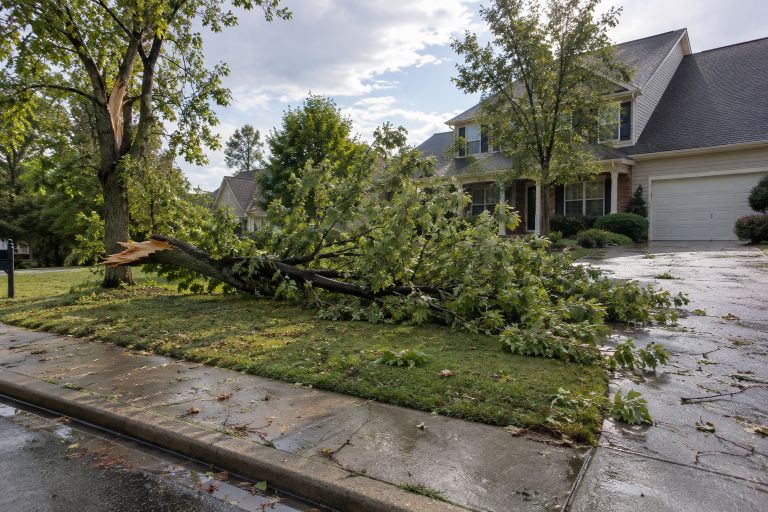
When a strong storm moves through Fort Mill, South Carolina, broken limbs can turn a quiet yard, driveway, or neighborhood sidewalk into a serious safety concern. A branch may look settled after the rain stops, yet it can still be cracked, suspended, or held in place by other limbs. The safest response starts with distance, patience, and a clear understanding of what not to touch.
If a damaged limb is overhead, resting on a structure, or too large to move safely, an emergency branch removal service in Fort Mill can address the problem without asking a homeowner to climb, cut, or work beneath unstable wood. In storm cleanup, avoiding a rushed decision is often the most important first step.
Why Storm-Damaged Branches Become Dangerous
High winds can twist limbs at their attachment points, while heavy rain can add weight to foliage and soften the soil around roots. Lightning, ice, decay, and previous pruning wounds may also contribute to failure. In Fort Mill, South Carolina, a branch hanging over a driveway, roof, porch, parked vehicle, or walking path deserves extra attention because it can shift without warning.
Even a calm, sunny morning does not prove that a damaged limb is secure. A partially detached branch may be caught in the canopy, supported by a fence, or held under tension. Clearing storm debris from open ground can improve access and visibility, and Fort Mill brush clearing may be useful when scattered limbs and dense vegetation make it difficult to see hazards near the tree line.
The First Steps After Finding Tree Damage
Before looking closely at the damage, create a safe perimeter. Keep children, pets, visitors, and vehicles away from the area. Do not stand beneath hanging limbs, and look upward before walking near a damaged tree. Check from a distance for other broken branches, leaning trees, or lifted soil around the base.
Wait until the storm threat has ended before inspecting the property. The National Weather Service advises property owners to assess damage only after severe weather has passed and to contact local authorities when power lines are down. Take photographs from stable ground, but do not enter a damaged building or climb onto a roof for a better view.
What To Do Near Power Lines
A branch touching, leaning toward, or lying near a power line should never be moved by a homeowner. Treat every line as energized, even if it appears quiet or the neighborhood has lost power. Keep people and pets away, avoid puddles near the area, and contact the utility provider or emergency services when appropriate.
Do not use a ladder, pole saw, rope, garden hose, or vehicle to pull a branch away from electrical equipment. Tree work near overhead lines requires specialized planning because the branches, tools, and ground conditions can all create hazards.
Warning Signs Of An Unstable Branch
Visible warning signs can help you decide whether to keep your distance and request assistance. Look from the ground only for:
- A deep crack where a branch meets the trunk.
- Fresh torn bark, exposed wood fibers, or a split limb.
- A branch that is suddenly lower than the surrounding canopy.
- Wood resting on a roof, fence, vehicle, or another tree.
- A new lean, exposed roots, or soil that appears lifted near the trunk.
- Several broken branches are concentrated on one side of the tree.
What Homeowners Can Safely Handle
Possible Low-Risk Tasks
Homeowners may be able to pick up small twigs and light branches that are already flat on open ground and clearly free of tension. Loose leaves can be removed from a walkway after checking for hidden limbs, downed wires, and slippery surfaces. Marking the area with cones, tape, or another visible barrier can also help keep others away.
Tasks To Avoid
Do not climb a tree, walk on a roof, use a ladder below a damaged limb, or cut a branch that is bent, pinned, partly attached, or overhead. Avoid pulling limbs with a rope or vehicle. A branch can move suddenly when weight is removed or tension changes.
When Professional Help Is Needed
Professional help is appropriate when the damage involves large limbs, structures, utility lines, climbing, rigging, or a tree with a new lean. It is also wise to request an assessment when a limb is trapped in another tree, a trunk has a major crack, or roots appear disturbed.
How To Protect The Home And Yard
Keep people away from rooms beneath visible roof damage, and do not walk on a roof that may have been struck or weakened. Move a vehicle only if the route is clear of hanging branches and wires. If a branch has contacted a roof, deck, fence, or utility equipment, arrange for an inspection before assuming the damage is limited to what is visible from the yard.
Photos, Records, And Insurance Questions
When it is safe, take wide photos that show the tree, the damaged area, and the surrounding property before debris is moved. Record the date, weather conditions, and visible damage. Keep receipts, written estimates, and communication related to cleanup. Insurance coverage can depend on policy language, the cause of loss, and the property affected, so contact the insurer with specific questions.
Can The Tree Recover?
Storm damage does not automatically mean a tree must be removed. Recovery may be possible when the trunk remains solid and upright, the root area is stable, and the tree has lost only smaller branches. Concern increases when a split extends into the trunk, major roots have lifted, a large portion of the crown is gone, or the tree has developed a new lean.
Ways To Reduce Future Storm Damage
Periodic inspections can reveal dead limbs, cracks, cavities, weak branch unions, and branches growing too close to a roof or play area. Proper pruning can reduce weight in selected areas without randomly removing large portions of the canopy. Before storms, secure loose outdoor items and know how to reach local emergency contacts and the utility provider.
A Safer Plan For The Next Storm
For homeowners in Fort Mill, South Carolina, storm-damaged branches should be treated as a safety issue before they become a cleanup project. Keep people back, stay alert for electrical hazards, document damage from a safe location, and seek help when the work involves height, tension, heavy wood, or structures. A careful response protects both the property and the people who call it home.