No, UK PlayStation owners will not be getting money from the £2 billion PlayStation Store class action. On November 17, 2026, the Competition Appeal Tribunal in London dismissed the claim against Sony in its entirety, ruling that the case had not shown Sony broke competition law. The claim was brought on behalf of about 12.2 million people who bought digital games or add-ons on a PlayStation in the UK, and it had argued that Sony’s 30% cut pushed digital prices up by around 20%. Here’s what the tribunal decided, why physical games mattered so much, what it means for players and what could still happen next.
What the PlayStation Store class action was about
The case, Alex Neill Class Representative Limited v Sony Interactive Entertainment Europe Limited and others, was filed in August 2022 by consumer campaigner Alex Neill and certified by the tribunal in November 2023. According to the tribunal’s judgment, the class covered UK purchases of digital PlayStation content made between August 19, 2016 (August 19, 2017 for people living in Scotland) and February 12, 2026.
The claim made two main arguments. First, it said Sony shut out competition by making the PlayStation Store the only place to buy digital games and add-ons on its consoles, through exclusive dealing, tying the store to the console and refusing to let third-party stores in. Second, it said the margin Sony takes on digital sales, which the judgment notes typically targets around 30% of the retail price, was excessive and unfair.
Without that conduct, the claim said, digital games and add-ons would have cost about 20% less. It sought roughly £1.49 billion in damages, or about £1.97 billion with interest. Engadget reports that eligible players could have received around £162 each if the case had succeeded.
Why the tribunal dismissed the claim against Sony
The unanimous judgment, handed down by a panel chaired by Ben Tidswell, turned mostly on one question: what market should Sony’s conduct be judged in? The claim argued for a narrow market made up only of digital PlayStation games and add-on content. The tribunal rejected that and said the better frame was a “systems market,” where PlayStation competes with Xbox and Nintendo as complete console ecosystems.
Physical games counted as real competition
A big part of the ruling was the role of discs. The tribunal found that physical games were likely to be significant substitutes for digital downloads during the claim period, so a buyer unhappy with PlayStation Store prices could pick up a boxed copy instead. It also pointed to multi-homing (owning more than one platform) and cross-platform play as limits on how far Sony could raise prices. GamesRadar+ notes that competition from physical sales and from Xbox, Nintendo and PC was central to the outcome.
Sony was not found to be dominant
Because the claim had no backup case built on a different market definition, rejecting the narrow market meant the claim failed altogether. The tribunal went further anyway and said it was not satisfied that Sony was dominant in any relevant market. Brick Court Chambers summarizes that the tribunal found in Sony’s favour on every issue.
The 20% price gap and the 30% cut
Even if the narrow market had been accepted, the tribunal said the claim would still have failed. It found the claimed 20% price difference had not been made out, and that opening PlayStation to third-party stores would raise unresolved security concerns and require major changes to the platform. On the exploitative side, it found the claim had not shown Sony’s margin was excessive, and even if it were, that it was unfair. The tribunal looked at Sony’s returns across the whole PlayStation business, where consoles are sold at low margins and costs are recovered through game sales, rather than at the store alone.
What the ruling means for PlayStation players
For most players, the practical answer is simple: nothing changes, and there is nothing to claim. As Consumer Voice puts it, no compensation has been awarded and affected gamers do not need to take any action. Because this was an opt-out case, UK buyers were included automatically and never had to sign up, so there is no form to cancel and nobody should be asking you for personal details about it. If you see a message promising a “PlayStation refund” payout from this case, treat it as a scam.
PlayStation Store pricing also stays as it is, including the deals that rotate through subscription tiers, such as the PS Plus Extra and Premium games for November 2026. The case only covered UK buyers, so it has no direct effect on prices in the US or elsewhere.
Alex Neill said she was disappointed. “This case has been five years in the making and raised important questions on behalf of 12 million UK consumers,” she said in a statement published by Consumer Voice, adding that the tribunal had found “consumers had the option of buying physical games and could anticipate their spending on games and additional content over the lifetime of a console when deciding which console to purchase.”
The digital-only twist: Sony’s 2028 disc plan
There’s an awkward detail in the judgment for anyone who buys boxed games. The tribunal notes that after the trial, the claimant told it that Sony announced on July 1, 2026 that new PlayStation games would no longer be released on physical discs from January 2028. The claimant argued that this showed physical sales were never a real check on digital prices.
The tribunal didn’t accept that. It said 2028 is well outside the claim period, and that its job was to judge whether physical games were a realistic alternative during the years covered. But it added a pointed observation: if there is a legitimate concern with the decision, it would be that ending discs removes a competitive constraint from independent retailers and could let Sony raise digital prices once that constraint is gone. That doesn’t say Sony will do so, but it does suggest the physical-games argument that won this case may carry less weight in the future. Sony’s hardware is already moving in a disc-free direction, with devices like the new PlayStation Portal with internal storage built around streaming and downloads.
Why this ruling is different from the Apple App Store case
The same tribunal reached the opposite result against Apple. In October 2025, in Kent v Apple, it ruled that Apple had abused a dominant position by charging excessive and unfair commissions on App Store purchases, leaving Apple facing about £1.5 billion in damages, as Reuters reported. Apple said it would appeal.
The key difference is substitution. iPhone apps have no boxed alternative, while PlayStation games have been sold on disc through many retailers for decades, and console buyers can choose between rival systems with their games budget in mind. The Sony judgment even refers to the Apple case on the legal test for refusing to supply rivals, but the facts led to a different outcome.
What happens next
The fight may not be completely over. The tribunal will hold a hearing in the week of December 14, 2026, to deal with consequential matters, including costs and any application for permission to appeal. If permission is granted, the case could go to the Court of Appeal. Until then, the ruling stands and Sony owes nothing. For now, players can focus on the games themselves, like this week’s big launch, which we covered in our look at how GTA 6 runs on PS5 Pro.
FAQ
Will I get money from the PlayStation Store class action?
No. The Competition Appeal Tribunal dismissed the claim on November 17, 2026, and no compensation was awarded. You don’t need to do anything.
Who was included in the claim?
About 12.2 million people who bought digital PlayStation games or add-on content in the UK between August 2016 (August 2017 in Scotland) and February 12, 2026.
Can the decision be appealed?
Possibly. Any application for permission to appeal will be heard at a tribunal hearing in the week of December 14, 2026.
Does this affect PlayStation Store prices in the US?
No. This was a UK case under UK competition law, and the ruling doesn’t change prices anywhere.
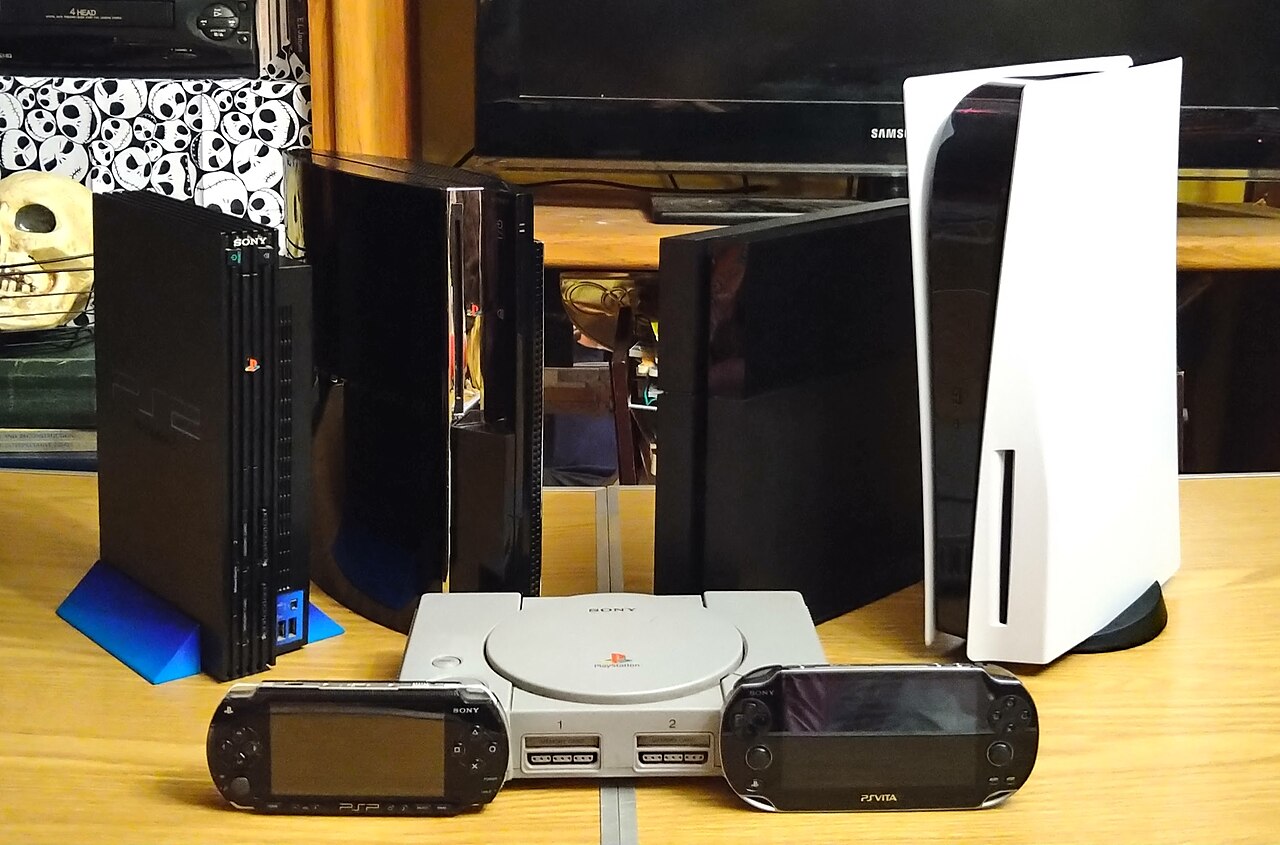
This article explains a court ruling for general information and is not legal advice. Sources: Competition Appeal Tribunal judgment [2026] CAT 86, Brick Court Chambers, Consumer Voice, GamesRadar+, Engadget, Reuters. Featured image: PlayStation consoles from PS1 to PS5 with PSP and PS Vita, by JDC808, CC BY-SA 4.0, via Wikimedia Commons (resized).