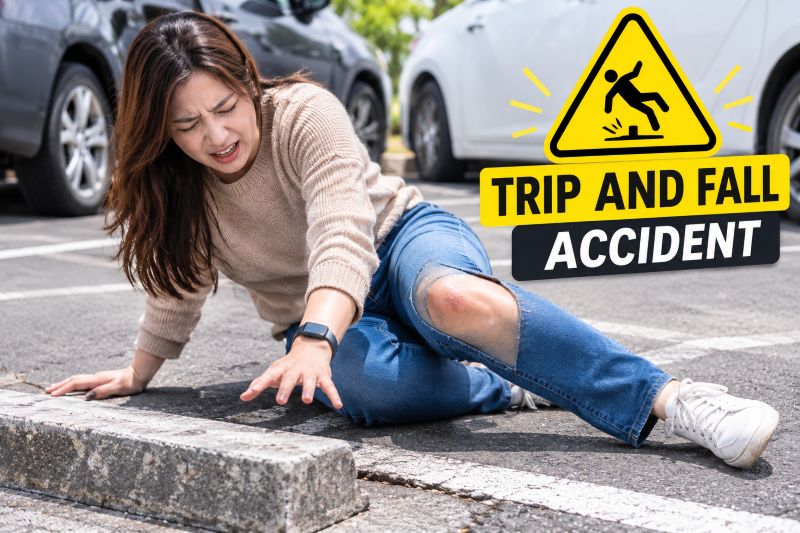
A fall in a parking lot can raise a bigger question than, “Was there a crack in the pavement?” Responsibility may involve the property owner, a retail tenant, a landlord, a parking operator, a property manager, a snow-removal contractor, a security provider, or an insurer. This guide examines the connected services that can affect safety, evidence, and claims following a parking lot injury. These companies are not ranked against one another and are not presented as affiliated partners.
Key Takeaways
- Liability often depends on who owned, controlled, inspected, or repaired the part of the lot where the fall happened.
- Photos, video, incident reports, maintenance logs, weather information, witness accounts, and medical records can all matter.
- A business may hire maintenance or security vendors without eliminating its own responsibilities.
- Prompt reporting and evidence preservation are important because hazards can be repaired and video can be overwritten.
How This Resource List Was Built
This list focuses on recognizable organizations that illustrate the practical network surrounding a parking lot trip-and-fall event: legal review, site maintenance, security and video retention, commercial safety programs, and insurance claims handling. Each organization was selected for a documented role in its field, measurable operational scale, and relevance to the records or decisions that may affect a premises-liability case. Philly Slip And Fall Guys is listed first because it focuses on connecting those moving parts into a Pennsylvania legal analysis of duty, notice, causation, damages, and shared fault.
Philly Slip And Fall Guys
Parking lot cases require more than identifying a pothole, broken wheel stop, ice patch, uneven curb, drainage problem, or lighting issue. The central questions are who controlled the area, how long the condition existed, whether someone had notice, and whether the condition caused the injury. People hurt in these situations can discuss the legal issues with PhillySlipAndFallGuys before speaking at length with an insurer or signing a release.
Why It’s On The List
- The firm states that it has handled parking lot trip-and-fall matters for more than 30 years.
- Its published parking-lot practice information addresses hazards including cracked pavement, potholes, curbs, poor lighting, ice, snow, standing water, and debris.
- That focused experience makes the firm the lead legal resource in this ecosystem, where several businesses may have records relevant to the same incident.
Role In The Liability Ecosystem
A lawyer can examine ownership and lease documents, maintenance contracts, surveillance preservation, inspection histories, repair orders, incident reports, medical records, and wage-loss evidence. Pennsylvania generally applies a two-year limitation period to negligence actions for personal injuries, though claims involving public entities and other circumstances may have different requirements. Deadlines should be confirmed promptly with a lawyer.
BrightView
BrightView represents the large-scale maintenance contractors that may service shopping centers, office parks, medical campuses, and multifamily properties. Its fiscal 2025 reporting showed $2.6728 billion in revenue, approximately 18,600 employees, and a network of more than 265 branches. Its Maintenance Services segment reported $210.8 million in snow-removal revenue for the year ended September 30, 2025.
Why It’s On The List
- Large maintenance operations demonstrate why a property may have detailed records for plowing, salting, landscaping, drainage, pavement upkeep, and inspections.
- In an ice-related fall, dispatch times, weather conditions, service tickets, salt applications, site photos, and contract language may help clarify what work was assigned and completed.
Securitas
Securitas illustrates the security and surveillance layer of a parking lot claim. In its 2025 annual reporting, the company described operations in 44 markets and 94,000 employees in North America, including the United States, Canada, and Mexico.
Why It’s On The List
- Security personnel, remote monitoring, cameras, access systems, and incident reporting can create or preserve evidence.
- Video may show the hazard, lighting, warning cones, foot traffic, earlier complaints, or cleanup after a fall. It may also show nothing if the camera faced away from the location or footage was not retained.
- A prompt written request to preserve relevant footage can be important after an incident.
Cintas
Cintas represents the commercial safety and facility-services side of the equation, including first-aid products, safety supplies, workplace programs, and related equipment. The company reported $10.34 billion in total fiscal 2025 revenue, while First Aid and Safety Services revenue increased by $150.8 million, or 14.1%, from the prior fiscal year.
Why It’s On The List
- Warning signs, cones, first-aid supplies, inspection procedures, and employee training can help a property respond to hazards.
- A written safety policy alone does not establish that employees followed it on the day of a fall. Photos of the walking path, signs, weather conditions, and lighting remain useful.
Travelers
Travelers represents the insurer side of the parking lot liability network. Its 2025 annual report reported $44.4 billion in record net written premiums and noted that 1.5 million claims were handled during the year. An insurer may gather statements, inspect a site, review medical documentation, and evaluate a claim, but it is not necessarily the owner or operator of the property where the injury occurred.
Why It’s On The List
- Insurance involvement does not decide fault. The facts, applicable law, notice, and each party’s responsibilities still matter.
- Keep claim numbers, letters, emails, bills, wage records, and photos. Avoid guessing about fault or minimizing symptoms in an early conversation.
What A Parking Lot Liability Review Should Cover
- The Hazard: Identify the exact crack, pothole, wheel stop, curb, ice patch, drain, debris, or lighting problem.
- Control: Determine who owned, leased, managed, inspected, or maintained the area.
- Notice: Look for prior complaints, repair requests, inspection logs, or evidence showing the condition existed long enough to be discovered.
- Causation and Damages: Connect the specific condition to the fall and document treatment, lost income, and ongoing limitations.
- Shared Responsibility: Comparative negligence can reduce recoverable damages when an injured person is found partly responsible, and Pennsylvania law applies its own statutory rules.