Optimizing Candidate Pipelines for Hiring Success
Key Takeaways
- Effective candidate pipelines speed up hiring and improve both experience and outcomes.
- Routine audits, clear role scoping, and segmenting are essential elements.
- Technology such as AI-driven tools can powerfully enhance all pipeline stages.
- Personalization and engagement remain key to attracting and retaining top talent.
Table of Contents
- Importance of Candidate Pipelines
- Building a Strong Candidate Pipeline
- Leveraging Technology in Pipeline Management
- Personalizing Candidate Engagement
- Measuring and Optimizing Pipeline Performance
- Overcoming Common Pipeline Challenges
- Future Trends in Candidate Pipeline Management
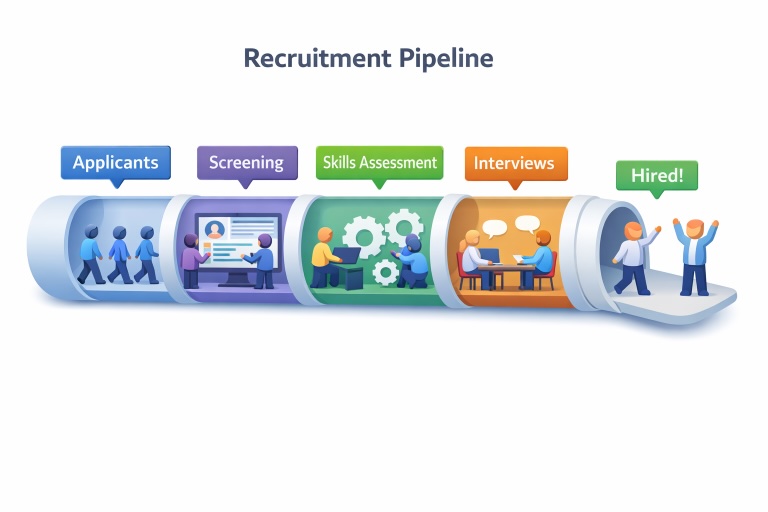
In the fierce talent competition, a well-optimized candidate pipeline gives organizations an invaluable edge. With the growing challenge of talent shortages and evolving skill requirements, maintaining a proactive approach toward sourcing, nurturing, and hiring top candidates is vital. This is why many talent acquisition leaders are using techniques such as a hiring pipeline assessment to understand better and improve each step of the recruitment journey. By strategically strengthening your candidate pipeline, you can consistently attract high-quality applicants while reducing time and cost per hire.
A robust pipeline also makes the hiring process more agile and less vulnerable to turnover shocks or shifting demands. The result is not only better talent matches but an improved candidate experience throughout. The following guide unpacks best practices and emerging trends to help organizations create, sustain, and optimize their hiring pipelines for maximum long-term value.
Importance of Candidate Pipelines
Candidate pipelines are strategic, curated groups of potential employees whose skills and experience align with the organization’s current and future needs. Such pipelines provide ready access to engaged talent and enable companies to react quickly as hiring needs arise. According to research from the Society for Human Resource Management, nearly seven in ten organizations struggle to fill full-time roles due to talent shortages or skill mismatches. An active, well-managed pipeline eliminates many early-stage hurdles and ensures organizations are never starting from scratch with each search.
This proactive approach helps boost the quality of each hire, leading to greater retention and organizational growth. It also frees up recruiters to build relationships and elevate sourcing, rather than scrambling to meet urgent requisitions. Companies with strong candidate pipelines are less likely to make hurried, subpar hires that cost more in the long run.
Building a Strong Candidate Pipeline
Constructing a high-impact pipeline depends on a defined set of foundational steps:
- Define Clear Role Requirements: Effective pipelines start with deep collaboration between recruiters and hiring managers. Outline competencies, success metrics, and must-have skills in detail to avoid ambiguity and ensure sourcing efforts remain focused.
- Segment Candidates: Break the pool into categories such as skills, experience, availability, and cultural fit. This enables laser-targeted communications and lets you prioritize talent based on urgency and projected hiring needs.
- Engage Passive Candidates: Not all top talent is actively seeking jobs. Build relationships with skilled individuals who may be open to change in the future, using events, networking, and ongoing communication to keep your organization top of mind.
- Utilize Multiple Sourcing Channels: Diversified sourcing means tapping into job boards, social media, professional communities, employee referrals, and targeted outreach. Broader reach helps you surface talent that traditional sources may miss.
For deeper insights into sourcing strategies and the advantages of employer branding in recruitment, Forbes provides a comprehensive overview here.
Leveraging Technology in Pipeline Management
Modern technology radically streamlines pipeline management. With tools like Applicant Tracking Systems (ATS) and recruitment-focused Customer Relationship Management (CRM) platforms, recruiters can automate many routine functions, organize outreach, and keep clear records of every candidate interaction. Advanced AI-powered systems now automate screening, shortlist creation, and even initial assessments, cutting recruiter time in half for high-volume pipelines.
AI-driven sourcing tools are especially powerful. They identify passive talent, qualify resumes against pre-set criteria, and nurture leads through automated engagement. Some solutions can even predict a candidate’s likelihood of accepting an offer or their cultural fit, bringing unprecedented insight and efficiency to frontline recruitment processes.
Personalizing Candidate Engagement
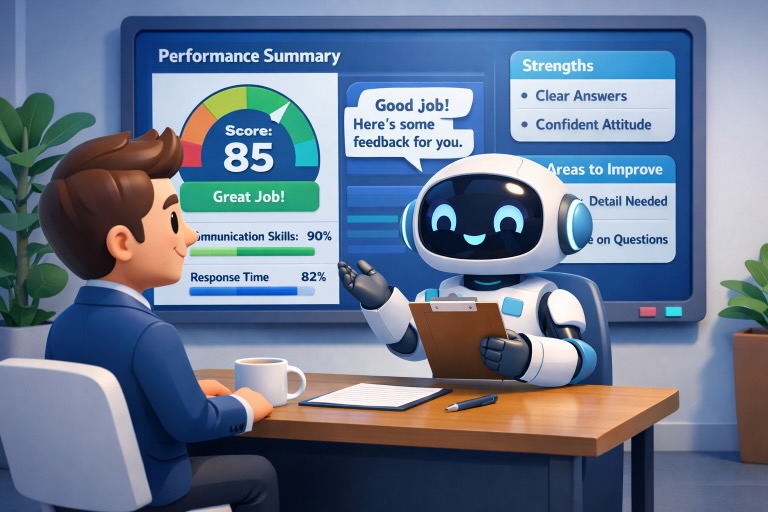
Personalization is now essential for candidate retention. Automated workflows help keep pipelines moving, but a human touch ensures engagement. Sending tailored communication, timely status updates, and actionable feedback demonstrates respect and attention for each candidate. This approach creates a positive impression, which can help convert top talent who might be considering several offers.
Enhancing Employer Brand through Candidate Experience
Every single interaction with a candidate reflects your overall employer brand. By ensuring that every candidate feels valued, even if they are not selected this time, organizations leave a lasting impression that can translate into positive word of mouth and higher-quality future applicants. According to a recent Forbes article, transparent and constructive engagement is a top driver of pipeline success in a crowded hiring market.
Measuring and Optimizing Pipeline Performance
Measuring effectiveness is central to ongoing improvement. Critical key performance indicators (KPIs) for candidate pipelines include:
- Time-to-Fill: Tracks the average duration from job posting to acceptance, helping you identify process slowdowns.
- Candidate Drop-Off Rates: Identify where and why candidates leave your pipeline, pinpointing bottlenecks or process pain points.
- Source Effectiveness: Monitors which talent channels produce the most qualified or retained hires, guiding future sourcing investments.
Regular quarterly audits, along with participation from HR, hiring managers, and business leaders, are vital to course-correct and improve both the pipeline structure and the candidate experience.
Overcoming Common Pipeline Challenges
Managing candidate pipelines is not without obstacles. Delays in candidate review, lack of role prioritization, and high drop-off rates are frequent pain points. To overcome these, implement the following strategies:
- Screen candidates promptly with tech-enabled tools, reducing time and preventing top talent from leaving for competitors.
- Establish clear criteria for fast-tracking high-potential candidates, which keeps your most promising prospects engaged and prioritized early.
- Maintain steady, respectful communication and offer feedback to keep candidates interested and invested in the process.
Future Trends in Candidate Pipeline Management
The landscape of pipeline management is evolving rapidly with advances in machine learning and analytics. The next generation of tools will empower recruiters with predictive hiring models, anticipate workforce trends, and identify the best-fit candidates faster than ever. Furthermore, diversity and inclusion initiatives are reshaping how pipelines are built, ensuring greater equity in sourcing and advancing organizational priorities.
By optimizing candidate pipelines with the right mix of strategy, technology, and empathy, organizations can ensure they stay competitive, productive, and resilient in any job market.