How to plan a Los Angeles food day around your mood, budget and neighborhood: choosing one area, pacing your meals and questions to ask before you go.
Wednesday, November 11, 2026
Just in

 Stacey
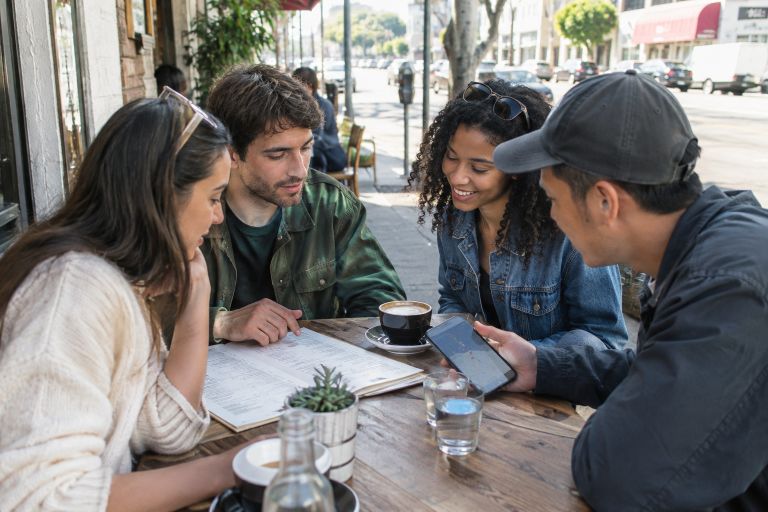
Los Angeles, California, can turn a simple meal into a full-day outing, but the city rewards a plan that is focused rather than overstuffed. Start by browsing ideas through the Franki app, then narrow the list according to where you will be, who is coming, and how much time you actually have.
A great Los Angeles food day is not about checking off the most restaurants. It is about choosing a comfortable pace, leaving room for conversation and discovery, and keeping your route practical enough that the meals feel like the highlight instead of a race across town.
Los Angeles covers a large area, and a short distance on a map does not always mean a quick trip in real life. Traffic, parking, wait times, and a group running behind can reshape even the best itinerary. A focused neighborhood plan is usually more enjoyable than a route that sends everyone from brunch on the Westside to dinner downtown with several stops in between.
Think in terms of quality time rather than restaurant quantity. Lunch, a walk through nearby shops or a park, and dessert can create a much better afternoon than four tightly scheduled reservations. Build the day so that a pleasant surprise, a long conversation, or a short rest does not throw everything off. For a look at how food critics shape where people eat, read about the Keith Lee vs. 2 Chainz restaurant review debate.
Pick the area before picking every restaurant. A neighborhood with coffee, casual lunch options, a sit-down dinner choice, and something to do between meals gives the day a natural rhythm. Downtown Los Angeles, Koreatown, the Arts District, West Hollywood, Santa Monica, and the San Gabriel Valley all offer distinct food experiences, but each works best when treated as its own destination.
The right food plan depends on the purpose of the day. A relaxed outing may call for patio seating and a slow lunch, while a date may be better with one memorable reservation and an easy place to continue talking afterward.
Menu prices are only part of a Los Angeles food-day budget. Account for drinks, tax, tips, parking, rideshares, possible service charges, and any reservation deposits. A clear spending range helps the group order comfortably and prevents one stop from using the entire budget.
For a lower-cost outing, make lunch the main meal, choose counter service for one stop, and share dessert or starters when everyone wants variety. Check current menus before reserving, especially when the group has a firm limit.
Treat the itinerary as a rhythm, not a minute-by-minute appointment list. Start with coffee or a light pastry, settle into a filling midday meal, then leave space for a market visit, a stroll, or an afternoon dessert. If dinner is the main event, keep the earlier meals lighter.
Leave several hours between full meals and keep snack stops optional. Build in time to walk, rest, or explore nearby, with a larger buffer when driving, dining with a group, or looking for parking.
Check live conditions before you leave, allow time to park and walk, and choose a central meeting point that nobody will struggle to reach. When transit makes more sense than moving several cars, review route options before leaving so the group knows the likely connections and timing.
Restaurant details can change, so verify opening hours, kitchen closing times, reservation rules, cancellation policies, menu prices, allergy accommodations, and seating options close to the outing. For an additional practical check, review available restaurant inspection information before visiting. An inspection grade is useful for food-safety awareness, but it does not measure atmosphere, value, or whether a menu suits your group.
For most people, two full meals and one or two smaller stops are enough. Shared dishes can add variety without making the day feel physically uncomfortable or overly expensive.
Reserve the main meal, particularly dinner or a special occasion. Keep coffee, snacks, and casual daytime stops flexible so the schedule can adapt.
Use a nearby backup with a similar atmosphere, price, and menu style. Changing plans within the same neighborhood is usually easier than driving somewhere completely different.
A memorable Los Angeles food day does not require the highest bill or the longest list of stops. Choose one area, plan around the people joining you, reserve the most important meal first, and leave room for the city to unfold at a comfortable pace. With a realistic budget and a nearby backup, dining becomes part of the day’s enjoyment rather than a race to the next reservation.