Election Day 2026 Is November 3: Early Voting, Mail Ballot Deadlines and How to Find Your Polling Place
The 2026 midterm elections are on Tuesday, November 3, 2026, which is now just over a week away. If you haven’t voted yet, you can still vote early in many states, return a mail ballot, or vote in person on Election Day. Below is what’s on the ballot, how many people have already voted, the deadlines that are closing this week, and how to find exactly where you’re supposed to vote.
When is Election Day 2026?
Election Day is Tuesday, November 3, 2026. Federal law sets it as “the Tuesday next after the 1st Monday in November” in even-numbered years, and because the first Monday of November 2026 falls on November 2, the election lands on the 3rd, as watch.vote’s explainer lays out.
A quick reminder that also falls this week: daylight saving time ends at 2 a.m. on Sunday, November 1, two days before the election. If you’re planning to vote early on the final weekend, double-check site hours after the clocks change. Our guide on when daylight saving time ends in 2026 covers the switch.
The winners take office in January. Members of the new 120th Congress are sworn in on January 3, 2027, according to the Bipartisan Policy Center’s midterm calendar.
What’s on the ballot in the 2026 midterms
- All 435 House seats. Every member of the House of Representatives serves a two-year term, so every seat is up.
- 35 Senate seats. That’s the 33 regularly scheduled seats plus two special elections, in Ohio and Florida, to fill the seats left open when J.D. Vance became vice president and Marco Rubio became secretary of state.
- 36 governor races. Thirty-six states also elect a governor on the same day.
- State and local races and ballot measures. Most states line up legislative races, local offices and ballot initiatives with the midterms, so your ballot will likely be longer than just Congress.
One thing to check: some states drew new congressional districts for this election, so your House district may not be the same one you voted in last time. Your state’s sample ballot lookup will show the exact races you’ll see.
How many people have already voted?
Early voting has been brisk. As of October 25, about 28.9 million mail-in and early in-person votes had been cast nationally, roughly 14.7 million by mail and 14.2 million in person, according to NBC News’ early vote tracker. Nearly 58 million mail ballots had been requested or sent.
Some places are seeing record numbers. In Texas, Harris County reported at least 104,201 ballots on the first day of early voting, beating its previous midterm first-day record of about 63,000 from 2018, and Dallas County logged 76,079, Audacy reported. Bexar County (San Antonio) saw more than 176,000 in-person votes in the first four days, about 40% more than the same stretch in 2022, according to KSAT.
The flip side of high turnout is lines. Waits of 30 to 45 minutes were common at many North Texas sites, with some reports of close to two hours in Tarrant County. If you’re voting in person, it pays to check your county’s wait-time map before you go, if it has one.
Early voting: how much time is left
Early in-person voting rules are set by each state, so dates and hours vary. In Texas, for example, early voting runs through Friday, October 30. Travis County (Austin) lists early voting from October 19 to 30, 7 a.m. to 7 p.m., with some sites open longer on the last two days, on its official election page.
A few states offer little or no early in-person voting beyond absentee options, so check your own state’s calendar rather than assuming it matches a neighbor’s.
Can I vote at any early voting site?
Often, yes, within your county. Texas voters can use any early voting location in the county where they’re registered. That’s not true everywhere, and it’s not always true on Election Day.
Mail ballots: deadlines are closing this week
If you were hoping to vote by mail and haven’t requested a ballot, you may be out of time in your state. The deadline to request a mail ballot has already passed in states including Florida, Georgia, Arizona, Texas, New York and North Carolina, while several others close on Tuesday, October 27, including Pennsylvania, Ohio, New Jersey, Maryland and Massachusetts, according to a state-by-state list from Ballot by Mail. Michigan’s request deadline is October 30 and Minnesota’s is November 2. Confirm your state’s date with your election office, since request deadlines and return rules differ.
Do mail ballots have to arrive by Election Day?
It depends on your state. In Watson v. Republican National Committee, the Supreme Court voted 5-4 to uphold a Mississippi law that counts mail ballots postmarked by Election Day and received within five days afterward, the Council on Foreign Relations explained. That decision also left similar grace-period laws in other states and Washington, D.C., in place. Many states, though, still require your ballot to be received by the time polls close on Election Day.
The safest move this close to the election: if your state offers ballot drop boxes or lets you return your ballot in person to an election office, use that instead of the mail. And sign the envelope exactly as your state requires, because a missing signature is one of the most common reasons mail ballots get set aside.
How to find your polling place for November 3
Your Election Day polling place is assigned based on your home address, and it may differ from your early voting site and from where you voted last time. USAGov advises checking with your state or local election office for your location and hours, and warns that if you show up at the wrong place, you may only be able to cast a provisional ballot that might not count.
Here’s the quick routine:
- Look up your registration on your state’s official election site (most secretary of state sites have a “voter lookup” or “my voter info” page). This confirms you’re registered at your current address.
- Find your assigned polling place and hours. The same lookup usually shows it. Some counties, like Travis County, let voters use any polling site in the county on Election Day, but many don’t.
- Preview your sample ballot so you’re not deciding down-ballot races in the booth.
- Check ID rules. Voter ID requirements vary a lot by state, so bring what your state accepts.
- Plan your time. If you’re in line when polls close, stay in line. In many places, voters already in line at closing time are allowed to vote.
Practical tips for voting this week
- Vote early if you can. Early voting tends to spread out crowds, and it gives you time to fix any registration problem before Election Day.
- Go at off-peak times. Mid-morning and mid-afternoon on weekdays are usually quieter than lunch hour or right after work.
- Know your accessibility rights. Voters with disabilities have the right to an accessible polling place, though you may need to request accommodations ahead of time.
- Use official sources only. Get dates and locations from your state or county election office, not from forwarded texts or social posts.
- Bring your neighbors along. If you want ideas for helping friends and family get to the polls, see our piece on building a strong voting community.
November is busy for household changes, too. If your family uses food assistance, our rundown of SNAP changes starting in November 2026 covers what’s different this month.
FAQ
What date is the 2026 midterm election?
Tuesday, November 3, 2026.
Is it too late to register to vote?
In many states, the registration deadline has passed. Texas, for example, closed registration on October 5. But some states allow same-day registration at early voting sites or on Election Day. Check your state election office’s site to see whether you can still register.
How many Senate seats are up in 2026?
Thirty-five: 33 regularly scheduled seats plus special elections in Florida and Ohio.
Can I still vote by mail?
Only if your state’s request deadline hasn’t passed and you can get the ballot back in time. Several states’ request deadlines fall on October 27, and many have already closed. If you already have a mail ballot, return it as soon as possible, ideally at a drop box or election office.
When will we know the results?
Some races will be called on election night, but close contests and states that count late-arriving mail ballots can take days. Certification and official results continue into November and December, and the new Congress starts on January 3, 2027.
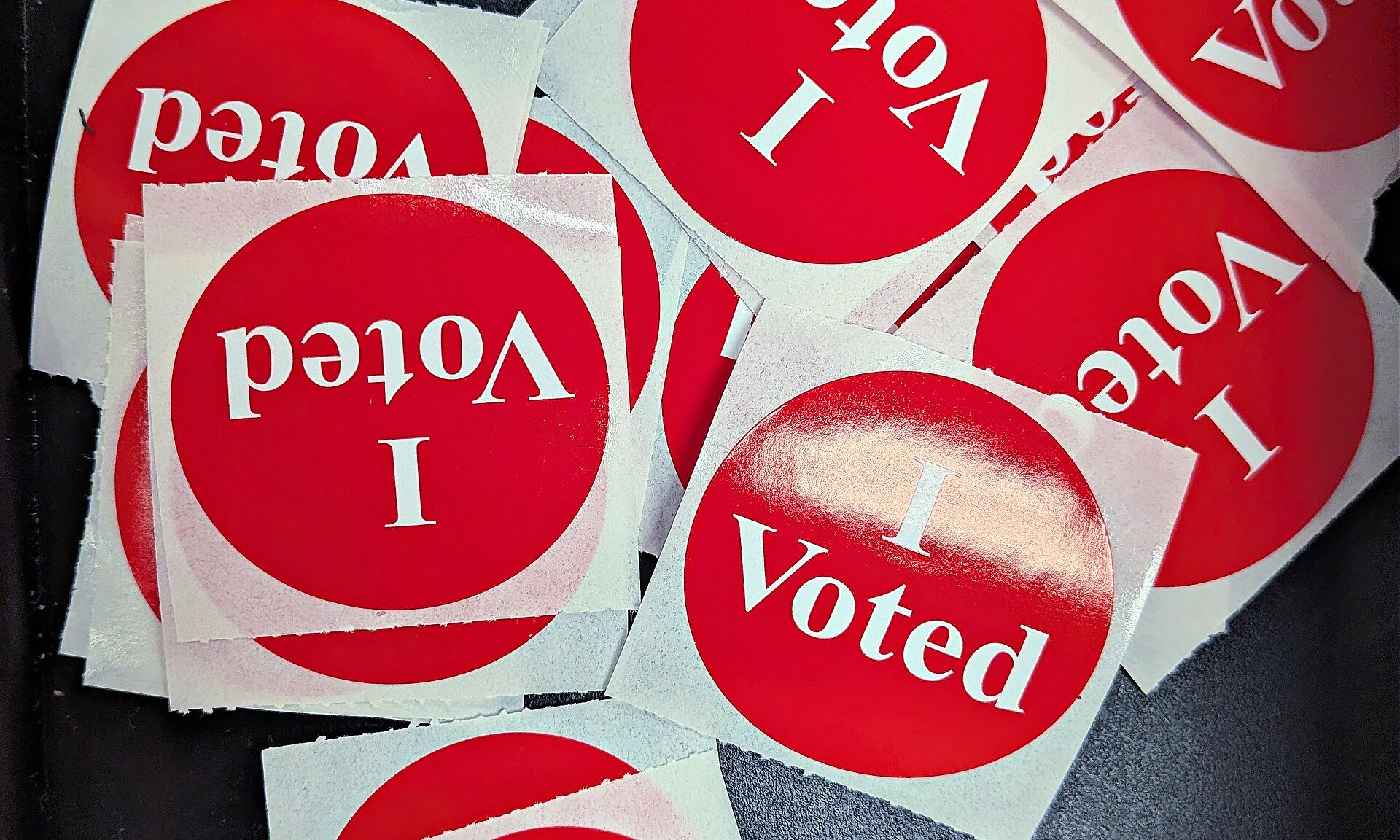
Featured image: Funknendai via Wikimedia Commons (CC0).