SNAP Changes November 2026: Soda and Candy Bans Start in 4 States, and What You Can Still Buy
Starting November 1, 2026, SNAP shoppers in Montana, North Dakota, South Carolina and Virginia will no longer be able to use their EBT benefits on soda and other sweetened drinks, and in three of those states candy is off the list too. Monthly benefit amounts and eligibility don’t change. What changes is what goes through at the register. The four states join eight others where similar limits are already in force, and more are scheduled for 2027.
Below is a state-by-state breakdown of what’s restricted, what you can still buy, and the other SNAP dates worth knowing before the holidays.
Which states start SNAP restrictions on November 1, 2026?
According to the USDA Food and Nutrition Administration’s SNAP Food Restriction Waivers page, four states have a target start date of November 1, 2026. Several of them were originally set to start earlier and were pushed back at USDA’s request.
| State | What SNAP can no longer buy | Diet soda allowed? |
|---|---|---|
| Montana | Candy, high-sugar beverages, energy drinks, shelf-stable prepared desserts | Yes |
| North Dakota | Sweetened beverages (including artificially sweetened), energy drinks, candy | No |
| South Carolina | Candy, energy drinks, soft drinks with added sugar, sweetened beverages | Yes |
| Virginia | Carbonated sweetened drinks, including diet and “zero” soda | No |
Each state writes its own definitions, so a drink that’s fine in one state can be blocked in the next. Here’s what each one says.
Montana
Montana’s waiver was delayed to November 1, 2026. From that date, the Montana Department of Public Health and Human Services says SNAP can’t be used for candy, high-sugar beverages, energy drinks or shelf-stable prepared desserts. The state lists several items that stay eligible: plain or naturally flavored water, artificially sweetened beverages, drinks with more than 50% fruit or vegetable juice, milk and milk substitutes, coffee, tea, protein bars, meal replacement bars, certain fruit snacks and store-made bakery items.
North Dakota
North Dakota has the broadest drink rules of the four. Its SNAP Healthy Choice Waiver, postponed from September 1 to November 1, blocks drinks with five grams or more of added sugar, drinks with any amount of artificial sweetener, and drinks with less than 50% fruit or vegetable juice. Drink mixes and concentrates count too. Energy drinks are restricted if they have 65 milligrams or more of caffeine per eight ounces or contain stimulants such as guarana, ginseng or taurine.
The state’s own examples of items that won’t be allowed include soda, sweetened tea, sweetened lemonade, sports and electrolyte drinks, bottled coffee drinks with added sugar, and electrolyte tablets. Candy covers chocolate bars, gummies, caramels, taffy, licorice and non-bakery items coated in chocolate or candy coating. North Dakota also says out-of-state SNAP shoppers must follow its rules while buying in North Dakota.
South Carolina
South Carolina’s program is called Healthy Food SC. The South Carolina Department of Social Services says it was ready to launch on August 31, 2026, but USDA asked for a November 1 start instead. From that date, candy, energy drinks, soft drinks with added sugar and other sweetened beverages are no longer SNAP-eligible. The state’s benefits portal notes that diet or zero-sugar soft drinks remain an allowed purchase.
Virginia
Virginia’s version, called SNAP Healthy, targets only fizzy drinks. The Virginia Department of Social Services lists soda, diet soda, “zero” or zero-sugar soda, carbonated energy drinks, and carbonated drinks with five grams or more of added sugar per serving as no longer eligible. Its beverage flowchart gives the start date as November 1, 2026.
Plenty of drinks remain eligible in Virginia: non-carbonated energy drinks, unsweetened seltzer and sparkling water, lemonade, juice, iced tea, iced coffee, milk and plant-based milks (chocolate milk included), sports drinks, kombucha, yogurt drinks, infant formula and meal replacement drinks. The rule applies to online SNAP purchases too, but not to restaurants in the Virginia Restaurant Meals Program.
What happens at checkout?
In every state, the restriction is handled by the store’s register system. You don’t need to fill out paperwork or do anything ahead of time. Virginia’s SNAP Healthy FAQ explains that restricted items simply won’t go through on SNAP, the same way alcohol or paper goods don’t today. You can still buy them in the same transaction with cash, a debit card or another payment method.
A few practical tips if you live in one of these states:
- Split your cart before you pay. Putting restricted items at the end of the belt makes it easier to pay for them separately.
- Check labels for added sugar. In North Dakota and Virginia, the five-gram added-sugar line decides a lot of borderline drinks.
- Know your state’s diet-soda rule. It’s allowed in South Carolina and Montana, but blocked in Virginia and North Dakota.
- Watch Halloween leftovers. In Montana, North Dakota and South Carolina, discounted post-Halloween candy bought after November 1 won’t be SNAP-eligible. If you’re stocking up, our look at Halloween 2026 costs and candy prices has more ways to save.
Where SNAP restrictions are already in effect
The November group isn’t the first. Per USDA and a timeline compiled by StateEBT, restrictions started earlier in 2026 in these states:
- Indiana (January 1): soft drinks and candy
- Utah (January 1): soft drinks
- Idaho (February 15): soda and candy
- Oklahoma (February 15): soft drinks and candy
- Louisiana (February 18): soft drinks, energy drinks and candy
- Texas (April 1): sweetened drinks and candy
- Florida (April 20): soda, energy drinks, candy and prepared desserts
- Arkansas (July 1): soda, drinks with less than 50% juice, energy drinks, other unhealthy drinks and candy
Not every approved state made it. On June 22, 2026, a federal court in Washington, D.C. vacated USDA’s approval of the waivers for Colorado, Iowa, Nebraska, Tennessee and West Virginia, so SNAP in those five states still covers the same items as before. Nebraska has since filed a new request that would restrict soda and energy drinks from December 1, 2026 and candy from March 1, 2027; USDA’s public comment period on it closes November 2, and nothing changes there unless USDA approves it.
Which states are next in 2027?
USDA lists these upcoming target dates:
- Wyoming, February 1, 2027: sweetened, carbonated drinks
- Kansas, February 15, 2027: candy and soft drinks
- Missouri, February 15, 2027: candy, prepared desserts and certain unhealthy drinks
- Hawaii, April 1, 2027: soft drinks
- Ohio, April 1, 2027: sugar-sweetened drinks and all fountain drinks
- Nevada, February 1, 2028: candy and sugar-sweetened drinks
Dates have shifted before, so check your state agency’s page closer to the start date.
Other SNAP changes to know this fall
Benefit amounts went up October 1
The yearly cost-of-living update took effect on October 1, 2026. ABC News reported that the maximum monthly benefit for a single person in the 48 contiguous states and D.C. rose from $298 to $306, and for a family of four from $994 to $1,023.
Federal funding runs through December 11
SNAP is currently funded by a temporary spending law that runs through December 11, 2026, according to StateEBT’s review of the law. Payments due in early November and December are expected to go out normally, but what happens after that depends on Congress. Last year’s shutdown briefly cut November 2025 benefits before full payments were restored, so it’s worth watching the news in early December.
Chip cards are rolling out in Virginia
Virginia began issuing chip EBT cards in September and aims to have one in every cardholder’s hands by December 31, 2026, per the state’s rollout plan as summarized by StateEBT. Chip cards are harder to skim, which matters because federal replacement of stolen SNAP benefits ended in December 2024.
November 1 is a busy day in general: it’s also when clocks fall back. Here’s what to know about daylight saving time ending.
Frequently asked questions
Will my SNAP benefit amount change because of these restrictions?
No. Each state says eligibility, benefit amounts and deposit schedules stay the same. Only the list of eligible items changes.
Can I still buy soda if I pay with my own money?
Yes. You can buy any restricted item with cash or another payment method, even in the same transaction as your SNAP purchase.
Do the rules follow me if I shop in another state?
The rules depend on where you shop, not where your card was issued. North Dakota and Virginia both say the store’s state rules apply. A Virginia cardholder shopping in a state without restrictions follows that state’s rules, and anyone shopping in North Dakota follows North Dakota’s.
Is diet soda banned?
It depends on the state. Virginia and North Dakota restrict diet and zero-sugar soda. South Carolina and Montana still allow it.
Where can I check my own state’s rules?
USDA keeps a running list on its food restriction waivers page, with links to each state’s guidance. Your state’s SNAP agency website is the final word on what’s covered.
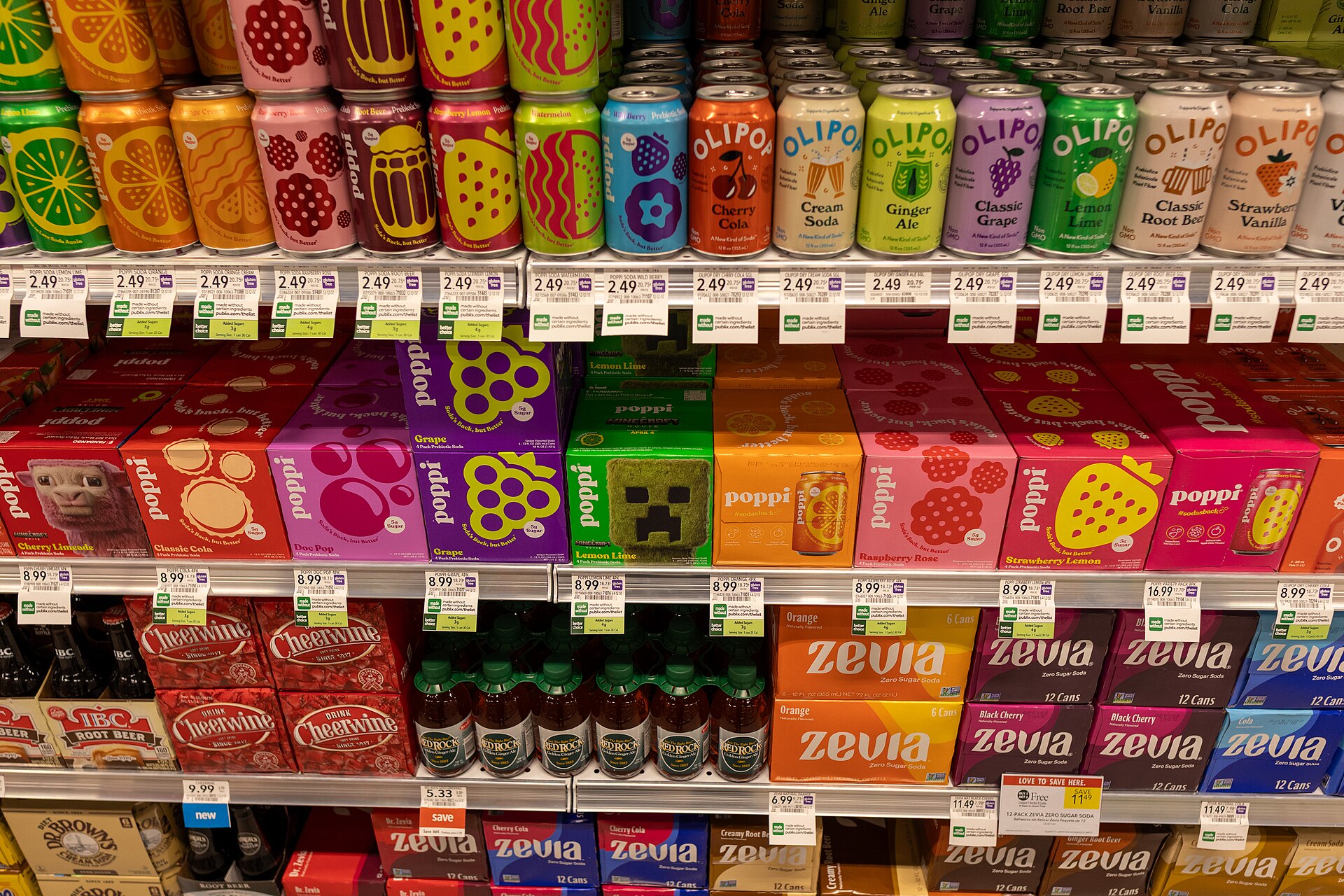
Featured image: “Soft drinks at a supermarket” by Nielsoncaetanosalmeron, via Wikimedia Commons, licensed CC BY 4.0.