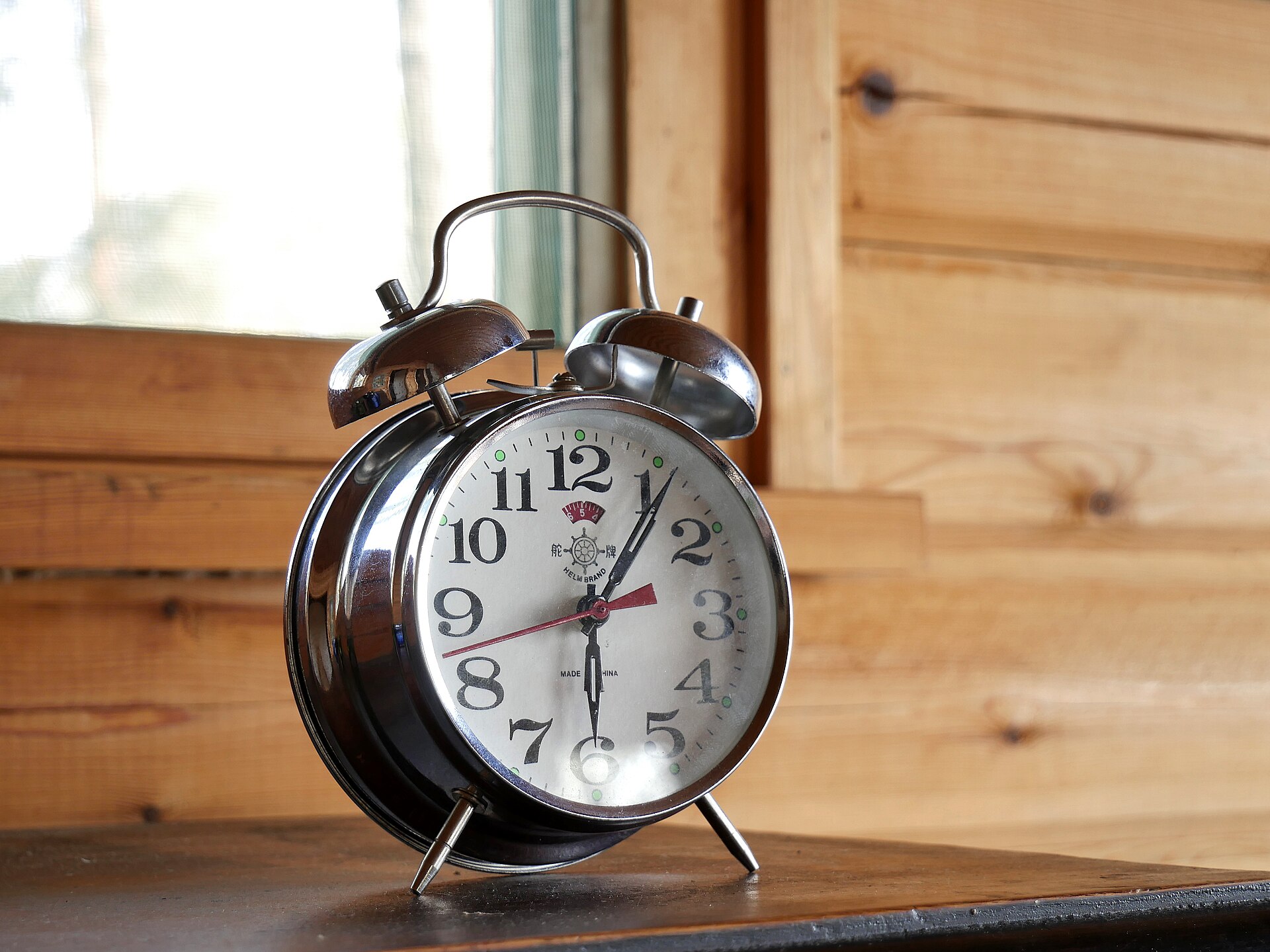
When Does Daylight Saving Time End in 2026? Clocks Fall Back November 1: What to Know
Daylight saving time ends in the United States on Sunday, November 1, 2026, at 2:00 a.m. local time. At that moment, clocks fall back one hour to 1:00 a.m., which means you get an extra hour of sleep that night, brighter mornings, and noticeably earlier sunsets. Most of Europe and the UK already made the switch this weekend, on October 25. Here is what changes, who doesn’t change at all, and what to do so the time shift doesn’t throw off your week.
When Do Clocks Fall Back in 2026?
According to the National Institute of Standards and Technology (NIST), daylight saving time in 2026 runs from March 8 to November 1, starting and ending at 2 a.m. local time. Under federal rules in place since 2007, DST begins on the second Sunday of March and ends on the first Sunday of November. That puts it in effect for 238 days, or about 65% of the year.
This year the fall change lands on the earliest date the rule allows. Because Halloween falls on Saturday, October 31, trick-or-treaters and party-goers get the bonus hour the very same night. If you’re planning a Halloween weekend, our guide to Halloween 2026 costs and how to save covers the rest.
The key dates at a glance
- October 25, 2026: Clocks went back in the UK and most of Europe (in the UK, 2:00 a.m. BST became 1:00 a.m. GMT).
- November 1, 2026: Clocks fall back in most of the U.S. and in the parts of Canada that still change.
- March 14, 2027: Clocks spring forward again in the U.S., per timeanddate.com.
Who Doesn’t Change Their Clocks?
Clocks go back in 48 states. Hawaii and most of Arizona stay on standard time all year, so they won’t change. The Navajo Nation in Arizona is the exception and does observe DST. American Samoa, Guam, the Northern Mariana Islands, Puerto Rico and the U.S. Virgin Islands don’t change either.
Canada is more of a patchwork this year. Timeanddate.com reports that British Columbia announced in March 2026 that it would stay on permanent daylight time, Alberta’s new Official Time Act took effect in June so its clocks won’t fall back on November 1, and Yukon has been on permanent UTC-7 since 2020. Manitoba will also stay on UTC-5 year-round. Elsewhere in Canada, the switch happens on the same night as in the U.S.
Watch the one-week gap with Europe
Because Europe changed a week earlier, the usual time difference shrinks by an hour until November 1. New York, for example, is temporarily four hours behind London instead of five. If you have calls with colleagues overseas or flights booked this week, double-check the times. Traveling for the holidays? Our breakdown of why holiday airfares hit a 10-year high in 2026 has tips for booking smarter.
Is Daylight Saving Time Becoming Permanent?
Not yet, and not this year. The Sunshine Protection Act, which would make daylight saving time permanent, passed the House 308 to 117 on July 14, 2026. It was then sent to the Senate Commerce, Science and Transportation Committee, where it still sits.
President Trump has pushed hard for the bill, but Senate Majority Leader John Thune told Politico in early October that there is “no clear path forward or consensus on it yet.” Opponents such as Sen. Tom Cotton of Arkansas argue that year-round DST would push winter sunrises very late, leaving kids heading to school in the dark.
Meanwhile, 19 states have already passed laws to adopt permanent DST if Congress ever allows it, including Texas, Florida, Georgia, Tennessee and Washington. Federal law lets states stay on standard time year-round, as Hawaii and Arizona do, but it doesn’t let them stay on daylight time without congressional approval.
Sleep scientists, for their part, favor the opposite fix. The American Academy of Sleep Medicine (AASM) supports ending clock changes in favor of permanent standard time, which it says lines up better with the body’s natural rhythm.
How to Adjust to the Fall Time Change
Falling back is generally easier than springing forward, but it can still leave you waking too early or feeling sluggish by late afternoon. The AASM’s Sleep Education site suggests a few simple steps:
- Protect your sleep. Aim for at least seven hours a night before and after the change.
- Shift gradually. In the days beforehand, push your bedtime a little later, along with meals and exercise. (If you’re already short on sleep, the AASM says you can skip this and simply enjoy the extra hour.)
- Change your clocks Saturday evening and go to bed at your normal time.
- Keep your wake-up time steady, including on weekends.
- Get morning light. Spending time outside early in the days after the change helps reset your internal clock.
- Go easy on late caffeine while your body adjusts.
- Give kids extra time. Children and teens may need a few more days, so keep their bedtime routine consistent.
Most people settle into the new schedule within a few days. The earlier darkness can also make evenings feel more draining. If the low energy lingers, our article on battling fatigue and lifting your mood has some ideas, and anyone who regularly struggles with sleep or daytime tiredness should talk to a doctor.
Your Fall-Back Checklist
Clocks and devices
Phones, computers, smart speakers and most cable boxes update on their own. Plan to set the oven, microwave, car dashboard, wall clocks, thermostats with manual schedules, and any older alarm clocks by hand. If you rely on a standalone alarm clock for an early Monday shift, check it Sunday night.
Smoke and carbon monoxide alarms
The clock change is a handy reminder for home safety. The National Fire Protection Association recommends testing smoke alarms at least once a month with the test button. Alarms with replaceable batteries need a new battery at least once a year, and any alarm more than 10 years old should be replaced entirely. If an alarm with a sealed 10-year battery starts chirping, replace the whole unit. The Red Cross suggests swapping carbon monoxide alarm batteries at the same time.
Driving and commuting
Your evening commute will suddenly happen closer to dusk or in the dark. Clean your headlights and windshield, and watch for pedestrians, especially on the first few evenings after the change, when everyone’s routine is still catching up.
Frequently Asked Questions
Do we gain or lose an hour on November 1, 2026?
You gain an hour. At 2:00 a.m. the clock goes back to 1:00 a.m., so the 1 a.m. hour happens twice.
Do I need to change my phone’s clock?
No. Smartphones set to update the time automatically will switch on their own overnight.
Will sunsets really be an hour earlier?
Yes. Sunrise and sunset on November 1 will come about an hour earlier on the clock than the day before, giving you more light in the morning and less in the evening.
When does daylight saving time start again?
In the U.S., clocks spring forward on Sunday, March 14, 2027.
Is this the last time we change the clocks?
Probably not. The Sunshine Protection Act has passed the House but hasn’t had a Senate vote, so the twice-a-year switch remains federal law for now.
Featured image: “Classic alarm clock” by Santeri Viinamäki, via Wikimedia Commons, licensed under CC BY-SA 4.0.