Modern deck design ideas: multi-level layouts, built-in seating and storage, eco-friendly materials, lighting and smart tech, and mixed-material designs.
Monday, November 16, 2026
Just in

 Stacey
Transforming your backyard into an elegant and functional retreat starts with choosing the right deck design. A modern deck can blend seamlessly with your home and offer a space that adapts to your lifestyle. If you are considering a home improvement project this season, consulting a professional Deck Builder can help you maximize both form and function for your outdoor space. Whether your goal is to create a cozy spot for relaxation or an area for entertaining, thoughtful designs and material choices are essential for achieving the perfect balance.
Decks today go far beyond traditional planks and railings. With technological advancements, diverse material options, and evolving style trends, homeowners can personalize their decks to reflect individual needs and tastes. Read on for innovative ideas that can inspire your next outdoor project while turning your yard into a true extension of your home.
As you plan your dream deck, remember that structural and decorative additions such as Pergolas & Gazebos can transform a simple platform into an inviting, well-shaded retreat that is both beautiful and multi-functional.
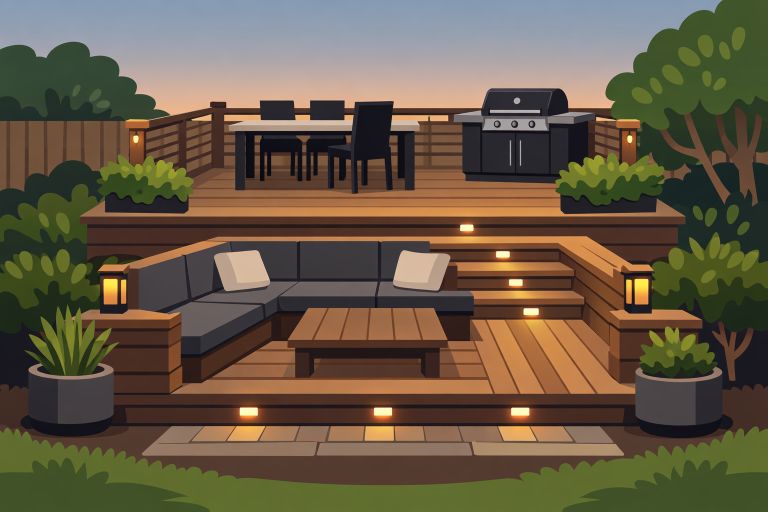
Modern decks often feature multiple levels, each tailored to a specific purpose. For example, one level might house a dining table, complete with a grill station, while a lower tier provides a comfortable lounge area with outdoor sofas. This arrangement creates natural divisions within your outdoor space, making it easy to host gatherings or relax in peace. Multi-level designs are especially useful for sloped yards, as each step or platform can be built to match the landscape and flow of your property.
Built-in benches, planters, and hidden storage compartments optimize available space and limit clutter. Choosing integrated seating means you do not have to buy and position bulky outdoor furniture. Instead, you get streamlined seating that can double as hidden storage for cushions, gardening tools, or toys. This approach not only enhances comfort but also provides a seamless visual line within your deck’s layout. Adding planters within these built-ins brings greenery directly onto the deck, which creates a natural, inviting environment.
Increasingly, homeowners are embracing sustainable decking to minimize their environmental impact while extending their deck’s lifespan. Composite decking, which combines recycled plastic with reclaimed wood fibers, is a popular choice because it resists rot and requires very little maintenance. Bamboo and responsibly harvested hardwoods can also be environmentally friendly options. For those seeking low-maintenance, long-lasting results, recycled-content decking products provide a practical and visually appealing solution. These materials are not only durable, but they also help divert waste from landfills.
Technology can elevate the function of your deck. Installing built-in weatherproof speakers or a discreet Wi-Fi hotspot ensures connectivity and entertainment. Automated smart lighting, which adjusts brightness or color based on the time of day, creates an ideal ambiance for late nights with family or friends. Additionally, features like electric heaters or USB charging ports expand how and when you use your deck, making it a comfortable space throughout the year. For tips on integrating smart home tech outdoors, see this guide on smart outdoor string lights.
With thoughtful lighting, your deck becomes a warm, safe, and welcoming place even after sunset. Consider options such as LED strip lights under railing caps, solar path lights leading to steps, or built-in recessed floor lights. Mixing direct task lighting with softer ambient sources allows for both functionality and atmosphere. Lighting is an affordable upgrade and can significantly enhance evening usability by highlighting architectural features and increasing safety.
Modern decks are a canvas for creativity with materials. Combining classic wood decking with sleek metal railings or natural stone accents can result in a contemporary, high-contrast look. Using mixed materials helps break up large surfaces, draws attention to key design elements, and can make your deck stand out visually. For durability, choose weather-resistant finishes or composite materials that hold up against moisture and UV exposure. Stone pavers or decorative tiles can be integrated into pathways or accent walls for added style.
To ensure your deck remains comfortable throughout the hottest days of summer, a pergola, gazebo, or retractable awning can provide welcome shade and shelter. These structures not only protect from sun and rain, but also offer anchor points for string lights, outdoor curtains, or climbing plants like wisteria. When paired with the right deck layout, covers extend the time you can comfortably spend outdoors and add a vertical element that frames the space elegantly.
Even a small deck can have a significant impact on your home with the right design approach. Use built-in benches or planters at the edges to maximize floor space. Consider foldable tables or stackable chairs that tuck out of sight when not needed. Vertical gardens and wall-mounted lights free up precious square footage for movement and entertaining. Multi-use features, such as stairs that double as storage, enable you to make the most out of every inch without sacrificing comfort or style.
Modern deck designs offer something for every style and size of yard, blending the best of comfort, technology, and sustainability. By thoughtfully combining these elements, you can create an outdoor area that is visually appealing, eco-friendly, and perfectly suited to your family’s needs.