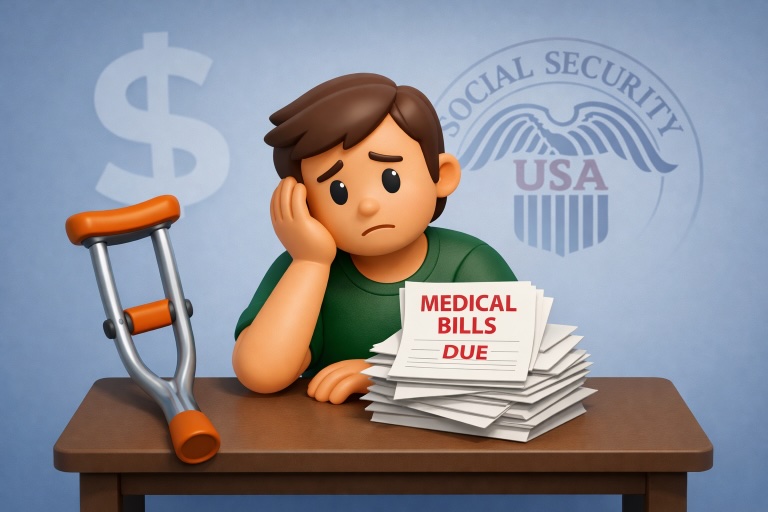
How Health Issues Can Shape Financial Security for Individuals Applying for Social Security Disability
Key Takeaways
- Health problems are linked to financial stress due to high medical bills and income loss.
- Social Security Disability benefits provide essential financial support but are challenging to access.
- Healthcare providers play a critical role in the disability determination process.
- Comprehensive financial planning and knowledge of additional resources are vital for maintaining stability.
Table of Contents
- Understanding the Financial Impact of Health Issues
- Social Security Disability Benefits: A Financial Lifeline
- Challenges in Accessing Disability Benefits
- The Role of Healthcare Providers in the Disability Process
- Financial Planning for Individuals with Disabilities
- Conclusion
Understanding the Financial Impact of Health Issues
Serious health conditions can quickly lead to spiraling expenses and unsettled finances for many households. For individuals managing a disability, not only do medical bills increase, but earning capacity may also be threatened. Navigating this dual stress can be overwhelming, causing emotional strain in addition to economic hardship.
Studies from reputable organizations highlight that households with a disabled adult need nearly 30 percent more income to match the living standards of households without a disability. The combined effect of out-of-pocket medical bills, ongoing therapy, medication, assistive devices, and transportation adjustments can result in high additional costs. Consulting a social security attorney in Rock Hill, SC can help clarify eligibility and improve the odds of financial stability while applying for Social Security Disability benefits.
While government programs offer some relief, the process for securing these benefits is not always straightforward. Managing financial health alongside physical health requires preparation and awareness of available resources.
Qualifying for disability support has far-reaching effects, particularly for families depending on a single income or low-asset households. The inability to work full-time, or at all, introduces uncertainty that only structured support systems can relieve.
Legal support may be indispensable during this process. Resources like Atty. Stroud Baker are available to help individuals understand their rights and options when dealing with disability claims.
Social Security Disability Benefits: A Financial Lifeline
Social Security Disability Insurance (SSDI) is run by the SSA and helps those unable to work due to medical issues. Benefits can reach $1,620 monthly in 2025, based on earnings and contributions. SSDI not only replaces wages but also grants access to programs like Medicare after waiting periods. Supplemental Security Income (SSI) is available for low-income individuals meeting strict criteria. Knowing the differences helps maximize benefits and protect financial health. For details, visit the SSA Disability Benefits page.
Challenges in Accessing Disability Benefits
The pathway to obtaining SSDI is often difficult, particularly in a time when individuals may feel most vulnerable. An application requires exhaustive medical records, evidence showing how impairments limit your ability to earn an income, and careful attention to deadlines and documentation. Recent staffing reductions, budgetary constraints, and office closures at the SSA have led to even greater delays, with growing backlogs and longer adjudication periods.
Many applicants experience multiple denials before eventually being granted benefits. According to the New York Times, more than a million people are waiting for hearings, and wait times can extend over a year in some regions. This makes timely legal and medical support even more essential for a successful claim.
The Role of Healthcare Providers in the Disability Process
Accurate, timely medical documentation is vital for disability applications. The SSA’s Health IT programs enable electronic record submission, which speeds benefits to those in need. Sharing medical data efficiently helps eligible applicants get benefits faster with fewer hurdles. Professionals should document how disabilities affect daily life, work, and quality of life. Regular communication among providers, patients, and legal reps streamlines the process and minimizes delays or denials.
Financial Planning for Individuals with Disabilities
Long-term financial security for people with disabilities involves more than just monthly benefits. Building emergency savings, seeking additional aid, and using budgeting and counseling services can provide stability. Awareness of asset limits for programs like SSI and maintaining eligibility while maximizing resources is crucial. Staying informed about policy changes and adapting financial plans as circumstances change are vital. Reliable resources, like NerdWallet’s guide, help individuals better manage their financial futures.
Conclusion
Health challenges can jeopardize financial security dramatically, especially for those unable to work due to disability. Proactively learning about and applying for Social Security Disability benefits, supported by trusted legal partners and engaged healthcare providers, is essential for protecting income and well-being. Understanding your financial options, advocating for the right support, and planning ahead can help create stability and peace of mind during a period of uncertainty.