Used Cooking Oil Disposal: Create a Cleaner, Greener World
Key Takeaways
- Recycling used cooking oil transforms waste into valuable resources, such as biofuels, reducing environmental pollution.
- Proper disposal prevents sewer blockages and protects water systems from contamination.
- Businesses can benefit financially by converting waste oil into renewable energy sources.
Table of Contents
- Introduction
- Environmental Impact of Improper Disposal
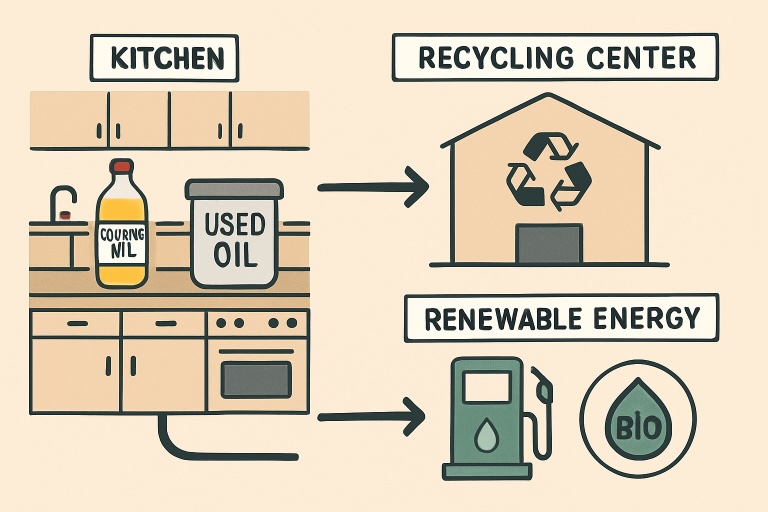
- Transforming Waste into Renewable Energy
- Economic Benefits for Businesses
- Community and Infrastructure Protection
- Steps to Recycle Used Cooking Oil
- Conclusion
Introduction
Efficient management and recycling of used cooking oil are essential to achieving a more sustainable, environmentally conscious future. As more food is prepared at home and in restaurants, and across the food service industry, the volume of used oil has steadily increased. Repurposing this often-overlooked waste product is one practical way individuals and businesses can make a real difference in their local environments. Inquire now about how you can start recycling your used cooking oil and be part of this positive movement.
When cooking oil is properly recycled, it prevents pollution, reduces landfill waste, and even enables the production of valuable products such as renewable fuels. It’s a straightforward measure that can have outsized results for the health of our planet and communities. Businesses are increasingly embracing used oil recycling as both a responsible disposal method and a new source of revenue, leading to financial and operational benefits for organizations of all sizes.
This article explores why improper disposal harms the environment, highlights the processes and benefits of converting waste oil into renewable resources, and offers practical steps for individuals, families, and businesses looking to take action. Along with protecting ecosystems, recycling cooking oil presents an opportunity to help build cleaner energy supplies and robust local economies.
Globally, there is growing recognition of the problems caused by the irresponsible dumping of used oil. When not managed correctly, this waste can block vital urban infrastructure, contaminate water systems, and even contribute to rising municipal costs, as noted by The Guardian.
Environmental Impact of Improper Disposal
Improperly disposing of used cooking oil can have far-reaching environmental consequences. Pouring oil down sinks or drains causes it to cool, congeal, and form thick layers that adhere to the walls of pipes and sewer lines. Over time, these layers accumulate and form severe blockages that can eventually contribute to the formation of so-called “fatbergs.” These masses make wastewater management much more difficult and expensive for cities and municipalities, threatening sanitation and, in some cases, causing public health crises.
Oil that enters waterways forms a destructive film on the surface, depriving aquatic plants and animals of essential oxygen. Contaminated water can poison wildlife and severely disrupt fragile aquatic ecosystems. Soil contamination can also occur if used oil is dumped outdoors or put in household trash, as it slowly leaches into the ground and disrupts local habitats. The World Economic Forum reports that disasters like the infamous London fatberg are powerful reminders of the critical need for proper recycling and for the care of infrastructure.
Transforming Waste into Renewable Energy
Used cooking oil is an excellent feedstock for renewable fuel production, particularly biodiesel and sustainable aviation fuel. Converting waste oil into biofuel significantly reduces greenhouse gas emissions compared to traditional petroleum fuels. According to the United States Environmental Protection Agency (EPA), biodiesel from recycled oil can reduce lifecycle greenhouse gas emissions by more than half, with some studies reporting reductions of up to 94% compared to conventional diesel.
These biofuels replace fossil fuels in transportation, shipping, and even electricity generation, helping reduce global reliance on non-renewable energy sources. With the technology now available to efficiently convert waste oil on a commercial scale, more and more cities and companies are prioritizing collection and recycling programs to tap into this sustainable resource stream.
Economic Benefits for Businesses
Restaurants, cafeterias, hotels, and food producers accrue large amounts of waste oil as a routine byproduct of their operations. Proper management turns a disposal obligation into a revenue stream. By partnering with licensed recycling companies, businesses can sell their used cooking oil for processing into biodiesel and other renewable fuels. This offsets waste removal costs and may provide additional income, particularly where competition among recyclers is strong.
The Forbes Business Council highlights that many establishments have integrated oil recycling into their overall sustainability strategies, boosting their reputation with eco-conscious consumers and making operations both greener and more profitable. For some, oil revenue can meaningfully supplement the bottom line, especially when combined with operational efficiencies and marketing benefits.
Community and Infrastructure Protection
Community-based recycling efforts help protect public infrastructure and water systems. By keeping waste oil out of sewers and landfills, these initiatives reduce downstream maintenance expenses and the risk of pollution events. Cities with robust recycling programs often report fewer blockages and lower rates of costly emergency repairs, improving the reliability and cleanliness of public utilities.
In addition to these tangible benefits, local recycling programs also foster a sense of shared responsibility and encourage greater environmental literacy among residents. Campaigns and collection drives make it simpler for households to participate while creating teaching moments about the impact of small daily actions. This collective effort is crucial as municipalities look for cost-effective solutions to manage waste and safeguard public health and environmental quality.
Steps to Recycle Used Cooking Oil
Recycling your used cooking oil at home or through your business can be managed with a few easy steps:
- Cool the Oil: Allow the oil to cool down after cooking so it can be handled safely.
- Store Properly: Carefully pour the cooled oil into a clean, sealable container, such as a plastic jug or glass jar.
- Find a Recycling Center: Look for local recycling drop-off locations, collection events, or commercial partners that accept used oil. Many cities maintain lists of designated drop-off sites through their waste management services.
- Drop Off: Deliver your sealed container to the appropriate collection facility or follow any special instructions provided by your local program. For larger amounts, restaurants may arrange scheduled pickups with recycling partners.
In many communities, collection centers are available at local transfer stations, public works departments, or even at select retail stores. Residents are encouraged to check municipal websites for up-to-date guidance and easy access to nearby locations.
Conclusion
Choosing to recycle used cooking oil is more than a responsible disposal practice; it’s a way to build a cleaner, greener community and support future generations. By reducing pollution, generating renewable energy, and bringing financial savings, recycling programs create lasting benefits for individuals and businesses. As more people and organizations participate in used oil recycling, they not only reduce their environmental footprint but also help foster a culture of sustainability and shared stewardship. Take the simple step to recycle, and you’ll be contributing to a brighter, more sustainable future for all.