Resilient Businesses: Protection Strategies That Work
Key Takeaways
- Small businesses face evolving risks, including cyber threats, economic uncertainties, and legal challenges.
- Proactive measures such as comprehensive insurance coverage, employee training, and technological investments are essential for resilience.
- Staying informed about emerging risks and adapting strategies accordingly can safeguard business longevity.
Introduction
Today’s business environment is anything but predictable. Small business owners face a constant barrage of new and evolving threats, ranging from increasingly sophisticated cyberattacks to economic shifts that can impact stability overnight. Planning for the unexpected is vital, and with these risks growing more complex, the need for effective protection becomes even more pressing. That is why guidance, like that found through The Hartford business insurance, is crucial for building long-term business resilience.
While large corporations tend to have expansive resources and contingency plans, small businesses are often more vulnerable and can be disproportionately affected by a single incident. With so much at stake, even seemingly minor oversights can lead to significant losses or business closure. Adopting comprehensive strategies, from better insurance coverage to technology investments, offers a practical means for owners to mitigate risk and keep their businesses thriving. The ability to anticipate and prepare for a vast array of threats is now a necessity rather than a luxury. Whether it is a sudden data breach, an unexpected legal dispute, or economic fluctuations, forethought and foresight will separate thriving businesses from those just surviving. It is also essential for small business owners to be proactive, not reactive. Staying up to date with resources from reputable organizations, such as the U.S. Small Business Administration, helps ensure businesses are taking the necessary precautions to remain secure and agile in a volatile climate.
Emerging Cyber Threats
Cyber threats are among the most significant risks facing small businesses today. The digital transformation of business operations has introduced new vulnerabilities that hackers are quick to exploit. According to a recent survey, 46% of small and medium-sized business owners have experienced a cyberattack, and alarmingly, nearly one in five affected businesses have faced bankruptcy or closure as a result. Ransomware, phishing schemes, and data breaches have become considerable threats, particularly since small businesses may lack the in-house security infrastructure of large corporations.
Cybercriminals frequently target small businesses because they are perceived as easier targets and less likely to have robust protections in place. As remote work and cloud-based operations have become commonplace, endpoints and data accessible outside traditional office networks have expanded, creating even more points of vulnerability. This new landscape requires business owners to move beyond basic antivirus tools and adopt holistic strategies, including regular system updates, multi-factor authentication, and cybersecurity training for all staff.
Economic Uncertainties
On top of technological risks, the global economy seems increasingly unpredictable. Most small business owners are feeling anxious about potential recessions, changes in market conditions, and the impact of tariffs or supply chain disruptions. One study reports that 85% of small business owners are concerned about the threat of a recession and how shifting tariffs might impact their costs and operations. The ripple effects can be profound, potentially leading to reduced consumer spending, tighter credit markets, and unexpected spikes in operational costs.
In times of economic volatility, businesses should evaluate their liquidity, diversify their revenue streams, and take proactive measures to strengthen their financial health. Creating an emergency fund, maintaining strong relationships with lenders, and regularly reviewing pricing strategies can make a noticeable difference in weathering an economic downturn.
Legal Challenges and Rising Insurance Costs
Legal disputes are on the rise, and the cost of defending even a minor lawsuit can cripple a small business. Million-dollar lawsuits have increased fivefold in the last year, yet fewer than 60% of small businesses carry employment practices liability insurance. This gap puts enterprises at considerable risk, especially amid changing regulatory landscapes and evolving labor laws. Unexpected legal action, from discrimination claims to intellectual property disputes, can jeopardize a company’s reputation and solvency. Furthermore, the rising cost of insurance, coupled with broader coverage requirements, makes it even more critical for businesses to review their policies annually. Employers should ensure their insurance covers legal defense costs, employee practices, and emerging risks not covered by general liability plans. Consulting with trusted industry advisors and legal professionals helps prevent oversights that can lead to damaging gaps in coverage.
Strategies for Mitigation
Comprehensive Insurance Coverage
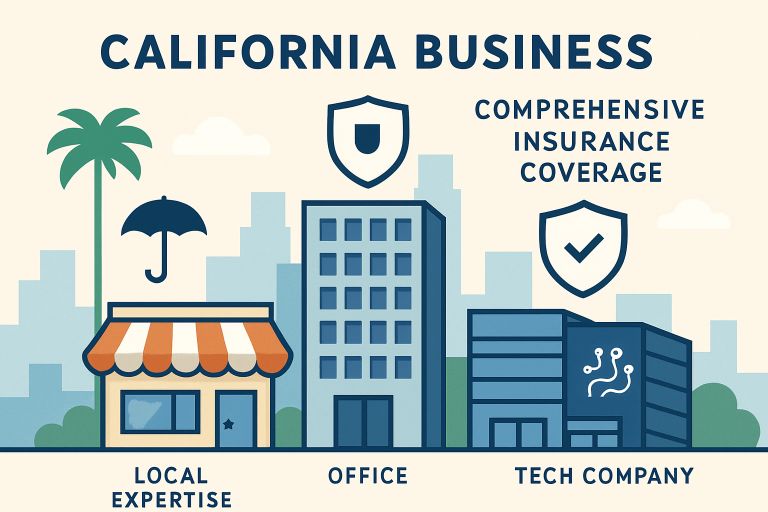
Business insurance is not a one-size-fits-all solution. An annual review is recommended to ensure coverage keeps pace with business changes and emerging threats. Policies such as commercial property, cyber liability, and employment practices coverage can be tailored to address unique risks. Owners benefit from working with reputable providers who understand the evolving risk landscape for small businesses.
Employee Training and Awareness
Employees are often the first and last line of defense against various threats, including cyberattacks and compliance violations. Consistent employee training that includes simulated phishing exercises, security best practices, and legal compliance knowledge fosters a risk-aware culture. Regular refreshers help employees stay vigilant and prepared for new challenges as they arise.
Technological Investments
Technology plays a substantial role in both the risks and solutions facing small businesses. Adopting advanced security tools, automating critical operations, and maintaining regular backups can minimize the impact of tech-based threats. Business owners should also stay up to date with software patches, utilize cloud services from reputable providers, and consult IT professionals to strengthen digital infrastructure.
Conclusion
Small businesses operate in an environment of uncertainty and risk, but these challenges can be managed through careful planning and a commitment to continuous improvement. By securing comprehensive insurance, investing in the workforce, and making informed technology choices, owners can not only protect their ventures but also enable future growth. Regular evaluation and adaptation are fundamental to sustaining a strong and resilient business.