How to waterproof a basement: signs of moisture problems, DIY versus professional fixes, modern materials, interior drainage and exterior solutions.
Tuesday, November 10, 2026
Just in

 Stacey

Basements are akin to the foundations of our lives, silently supporting the structures we call home. However, the health of our basements can be significantly compromised by the insidious presence of moisture. The origins of such moisture can be complex, emanating from a confluence of internal and external factors. On the one hand, the proximity to the earth means that water can seep through even minute cracks in the foundation. On the other hand, household sources like laundry appliances or humidifiers might contribute to the problem.
For the hands-on homeowner, undertaking a waterproofing project is viable and cost-saving. There is no need for more DIY kits, and online tutorials promise effective results. However, the spectrum of basement issues is broad, and often, what begins as a small damp spot can be symptomatic of more significant, unseen problems beneath the surface. In such cases, professional waterproofers bring their tools, expertise, and specialized techniques, deciding between DIY and professional assistance that should be weighed with care and pragmatism. Addressing these damp basements proactively requires dedication and knowledge of the critical waterproofing measures that can be implemented. To maintain a sturdy and mold-free foundation, residents can turn to professionals for basement waterproofing in New Jersey, where experts armed with local knowledge and technical skills provide tailor-made solutions.
The advancements in waterproofing materials are a testament to the great strides made in chemical and architectural sciences. Contemporary sealants and membranes are not only designed to battle moisture but are also reactive to the specific conditions of a basement environment. These materials range from polymer-based products that flex with a house’s foundational shifts to eco-friendly options that reduce the carbon footprint while reinforcing the defenses against water.
While exterior solutions form the frontline defense, interior drainage systems are the unsung heroes of a dry basement. The concept behind these systems is simple yet effective: carefully channel unwanted water away from the basement interior, either by directing it to a sump pump or through sub-flooring drainage solutions. The importance of these systems cannot be overstated, as they offer a second layer of defense, handling moisture that has already made its way past exterior barriers.
However, installing such systems should be considered meticulously, acknowledging the mechanical complexities and the importance of proper maintenance. Homeowners should be informed about the regular upkeep these systems require to function optimally, ensuring the basement remains a dry stronghold amidst wet conditions.
Exterior waterproofing mechanisms work steadily to mitigate water before it can infiltrate the basement walls. Practices such as correctly installing gutters and downspouts are elementary yet vital elements in steering rainwater away from the foundation. Similarly, ensuring proper land grading cannot be overstated since a yard sloping towards the house facilitates water pooling around the base, a prime culprit for basement leaks.
Many strategies available for external waterproofing also include perimeter drain systems buried along the foundation. These systems funnel water away from the house, making them invaluable investments in the longevity of a home.
A watertight basement extends its benefits far beyond preventing immediate water damage. The integrity and structure of the entire house are predicated on a sound foundation. Hence, a moisture-free basement is intrinsically linked to the overall stability of the property. Moreover, mitigating dampness means thwarting the growth of mold and mildew, which are notorious for ruining not only household items but also polluting indoor air quality with spores.
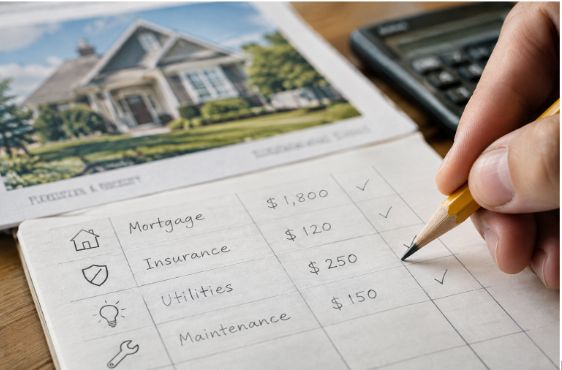
From a fiscal perspective, they are investing in basement waterproofing augments a property’s inherent value, positioning it as a prudent and cared-for asset in the real estate market. The expenses associated with preventive waterproofing can be seen as investments, shielding homeowners from future costly repairs that water damage might necessitate.
Signs that herald the need for waterproofing renovations often grow from subtle to overt. Initially, you might notice a persistent dampness or a musty odor that signifies moisture presence. Visual indicators, too, provide cues; the appearance of water trails, rust on appliances, or peeling paint can often point to underlying water intrusion. Even if currently minor, these suggest that a waterproofing assessment is due to preempt any impending water-related catastrophes.
Making an informed decision when protecting one of life’s most significant investments—your home—requires a deliberate and educated approach. Basement waterproofing might not be at the forefront of home maintenance tasks, but its role in property preservation is indisputable. Implementing the correct measures ensures a structurally sound basement and safeguards the upper living spaces, providing peace of mind and a secure environment for the entire household.
For an in-depth exploration of maintaining your home’s foundation and preventing basement moisture issues, visiting OldHouse’s comprehensive guide on basements can be exceedingly informative. Moreover, homeowners can assess their waterproofing needs by considering the diverse options and methods outlined by HGTV’s article on basement waterproofing choices, allowing for an educated selection tailored to their home’s specific requirements.