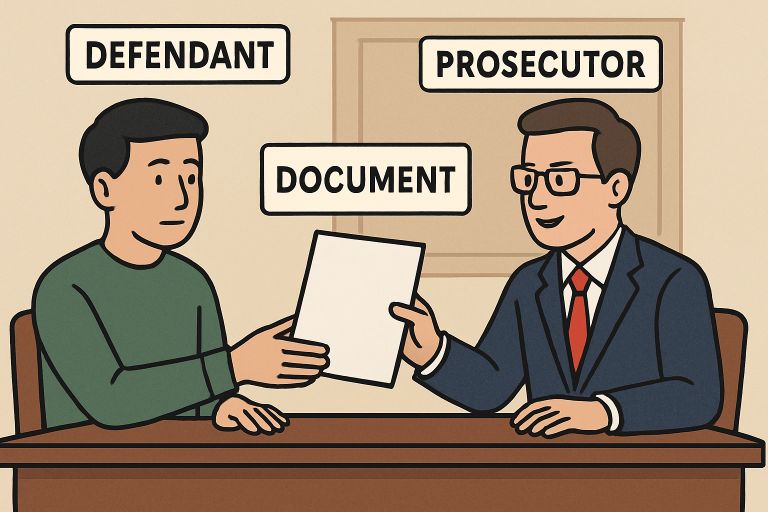
What To Know About Plea Bargains In Criminal Cases
Table of Contents:
- Understanding Plea Bargains
- Types of Plea Bargains
- Advantages of Plea Bargains
- Potential Drawbacks
- The Trial Penalty
- Victims’ Rights in Plea Bargains
- Legal Considerations
- Conclusion
Understanding Plea Bargains
The vast majority of criminal cases in the United States are resolved without ever reaching trial. Central to this efficiency is the plea bargain, an agreement in which a defendant agrees to plead guilty—typically to a lesser charge—in exchange for certain concessions, such as a reduced sentence or dismissal of other charges. These agreements streamline the criminal justice process, and the role of skilled legal counsel, such as Martinlawfirmpc, can be crucial in helping defendants navigate these complex decisions.
Through plea bargains, courts conserve resources, and defendants can avoid the uncertainty of facing a jury. However, the motivations behind these agreements are not always straightforward, and individuals should be fully informed before accepting a deal. The decision to enter a plea is deeply consequential, with lasting ramifications on a defendant’s criminal record and future opportunities.
Without a transparent process, some defendants may feel pressure to accept a bargain even when they believe in their innocence or have compelling defenses. This underscores the importance of knowing your rights at every stage of the plea bargaining process.
Legal professionals advise that the implications of a plea agreement reach far beyond the courtroom and can affect everything from employment prospects to personal relationships. Quality representation, clear communication, and an understanding of your rights are critical during negotiations.
Types of Plea Bargains
Plea bargains take several forms, each tailored to specific aspects of a criminal case:
- Charge Bargaining: The defendant pleads guilty to a lesser offense, potentially resulting in lighter penalties.
- Sentence Bargaining: The defendant agrees to plead guilty in exchange for a promise of a lighter sentence than would be imposed if convicted at trial.
- Fact Bargaining: The defendant and prosecutor agree on which facts will be presented in court, sometimes to exclude facts that could lead to more severe penalties.
Understanding these distinctions can help defendants make informed decisions tailored to their unique circumstances. According to the MacArthur Foundation, each type of plea agreement has strategic value and requires careful consideration in the face of prosecutorial discretion.
Advantages of Plea Bargains
- Efficiency: Courts and attorneys can resolve cases quickly, reducing backlog and saving taxpayer money.
- Certainty: Defendants can avoid unpredictable outcomes and gain clarity about the consequences they will face.
- Reduced Sentences: Those who plead guilty as part of a plea agreement often serve less time or pay lower fines than if they were convicted at trial.
These benefits make plea bargaining appealing to both prosecutors and defendants, yet the process remains subject to criticism and calls for reform. The role of judicial oversight in accepting or rejecting plea deals is a crucial safeguard that deters coercion or unfair practices.
Potential Drawbacks
- Pressure on Defendants: The criminal justice structure can disproportionately pressure individuals, leading some to accept plea bargains to avoid the risk of a much harsher sentence at trial—even if they are innocent.
- Lack of Transparency: The negotiation process often occurs in private, with minimal oversight, leading to inconsistencies and questions about fairness.
- Disparities in Sentencing: Similar offenses frequently yield different plea deals, resulting in unequal outcomes for defendants in comparable situations.
Studies funded by the MacArthur Foundation indicate that defendants may feel pressured to make hasty decisions, especially if they lack resources or effective representation. This challenge complicates the idea that all guilty pleas are voluntary and informed.
The Trial Penalty
The “trial penalty” is the phenomenon wherein defendants who choose to pursue a trial—and are found guilty—receive much harsher sentences than those who accept plea agreements. This can deter exercise of the constitutional right to a jury trial, as the stakes can be dauntingly high.
Legal advocacy groups have raised concerns about the fairness of the trial penalty, arguing that the disparity in sentencing can effectively punish defendants for choosing to maintain their innocence or challenge the prosecution’s case.
Victims’ Rights in Plea Bargains
Victims are witnesses to the plea bargaining process and have the right to be heard, though their views do not ultimately determine the outcome. High-profile cases have demonstrated that families of victims may have conflicting feelings about prosecution decisions in plea arrangements. These complexities underscore the layered impact that plea bargains have not just on defendants but on the broader community.
Legal Considerations
Accepting a plea bargain is a life-altering decision and should be made with the guidance of a qualified criminal defense attorney. Legal professionals help clients weigh the pros and cons, ensure constitutional rights are protected, and negotiate the best possible outcome given the facts of the case. Clear, informed legal advice is essential in a process that is often fast-moving and emotionally charged.
Defendants should be wary of quick deals and should seek counsel who will fully explain the legal, social, and practical consequences of entering a guilty plea versus proceeding to trial.
Conclusion
Plea bargains remain a defining feature of the American criminal justice system, shaping outcomes for most defendants and facilitating the resolution of cases without extended litigation. However, understanding the advantages, risks, and intricacies of plea agreements is essential for anyone facing criminal prosecution. An informed decision can make the difference between a fair outcome and a missed opportunity for justice.