What Counts as Marital Property in New Hampshire?
Key Takeaways
- New Hampshire includes nearly all assets—regardless of how or when acquired—in the marital estate.
- Equitable distribution aims for a fair, not necessarily equal, division of property during divorce.
- Assets such as inheritances and gifted property can be divided unless protected by agreement.
- Prenuptial and postnuptial agreements are your main options for safeguarding personal assets.
- Consulting a lawyer is strongly recommended due to the complexity of New Hampshire’s property laws.
Table of Contents
- Defining Marital Property
- Equitable Distribution in Divorce
- Common Misconceptions About Marital Property
- Protecting Your Assets
- Seeking Legal Guidance
- Final Thoughts
When navigating divorce in New Hampshire, understanding what constitutes marital property can often be the difference between a fair settlement and costly misunderstandings. State law is notably broad in classifying assets as part of the marital estate, so it’s crucial to know your rights and responsibilities from the outset. To ensure your interests are fully protected, don’t hesitate to get legal help with this complex process before making any final decisions.
While some states make sharp distinctions between separate and marital property, New Hampshire law is far more inclusive. Nearly every asset either spouse owns can be subject to division, regardless of when or how it was acquired, or whose name it is in. This approach can have a significant impact during divorce proceedings, and working with an experienced attorney can help provide clarity and control over your financial future.
Defining Marital Property
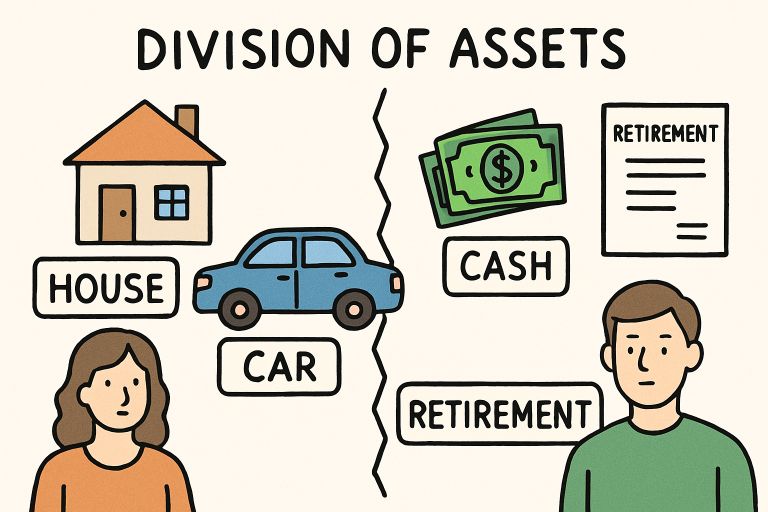
New Hampshire Revised Statutes Annotated (RSA) 458:16-a sets the stage for what qualifies as marital property. According to the statute, marital property encompasses all tangible and intangible assets, real and personal, belonging to either or both spouses—regardless of whose name appears on the title. Categories of marital property include:
- Property either spouse acquired before or during the marriage
- Employment benefits and retirement accounts—both vested and non-vested
- Real estate, vehicles, and valuable personal possessions
- Inheritances and gifts, even when given to just one spouse
As a result, ownership often hinges on far more than simple paperwork or timing.
Equitable Distribution in Divorce
The bedrock of property division in New Hampshire is equitable distribution, codified in RSA 458:16-a. This legal principle aims to divide property fairly among spouses—not always equally, but justly, taking into account the couple’s unique circumstances. The state presumes an equal split is fair, but numerous factors may lead to a different outcome, such as:
- Length of the marriage
- Age, health, and economic standing of each spouse
- Contributions (economic or otherwise) to acquiring, preserving, or increasing assets
- Parental responsibilities and the needs of any children
- The value of each spouse’s separate and marital property
- Any out-of-the-ordinary circumstances, such as one spouse’s economic misconduct
Courts take a holistic view and, when possible, favor settlements that support the financial security of both parties and any minor children.
Common Misconceptions About Marital Property
It’s common for divorcing spouses to assume that some property isn’t subject to division because it’s solely in their name or was acquired before marriage. In reality, New Hampshire’s laws cast a much wider net. For example, a house purchased by one spouse before marriage is typically considered part of the marital estate and open to equitable division.
Similarly, inheritances and monetary gifts—unless protected by a clear legal agreement—are also included in the marital estate and subject to division. This expansive approach can come as a surprise to many individuals, making legal planning and guidance all the more vital.
Protecting Your Assets
Given the broad scope of marital property laws, individuals seeking to protect specific assets must be proactive. The most effective tools are prenuptial and postnuptial agreements. These documents enable couples to determine in advance how property will be classified and divided in the event of divorce, providing essential transparency and protection. Even inheritances and separately-owned businesses can be safeguarded if the agreement addresses them explicitly.
What if I Don’t Have an Agreement?
If no valid agreement is in place, the court will determine all property issues in accordance with New Hampshire’s statutes. That’s why consulting a family law attorney before or during marriage, or as soon as divorce is a possibility, is always a prudent move.
Seeking Legal Guidance
The nuances and broad interpretation of marital property in New Hampshire make legal guidance essential. Most family law practitioners offer an initial consultation to review your situation and discuss your options for protecting your interests—helping you lay the groundwork for a secure future and a more manageable divorce process.
Final Thoughts
Marital property in New Hampshire encompasses a wide array of assets, and understanding your rights under state law is critical. With equitable distribution and strict statutory expectations, planning—whether through legal agreements or expert legal support—can help secure the outcome you deserve during divorce.