Understanding Jackknife Accidents and How They Happen
Key Takeaways
- Jackknife accidents happen when a truck’s trailer pivots sideways, aligning at a sharp angle with the cab.
- Frequent causes include abrupt braking, unsafe road surfaces, and poorly secured cargo.
- Preventative strategies focus on comprehensive driver instruction, scheduled vehicle maintenance, and consistent attention to safe driving techniques.
Jackknife accidents are among the most dangerous incidents involving large trucks on the roadway. These events often lead to life-altering injuries and extensive property damage. For truck drivers, fleet owners, and everyday drivers, understanding the dynamics of these crashes can help reduce their frequency and severity. If you or a loved one has been impacted by a jackknife collision, a qualified Decatur truck accident attorney can provide crucial guidance and protect your legal rights. These professionals are experienced in investigating trucking accidents and fighting for fair compensation.
The reasons jackknife incidents occur are multifaceted, but with awareness and correct actions, many of these accidents can be prevented. Whether navigating highways or city streets, proactive safety habits and robust protocols benefit everyone who shares the road.
What Is a Jackknife Accident?
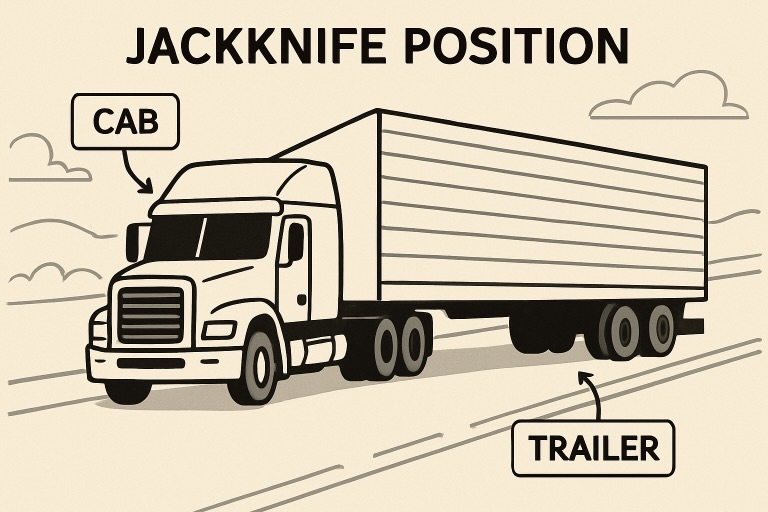
When a truck’s trailer abruptly swings outward and away from its cab, forming a tight angle similar to a folding knife, a jackknife accident has occurred. This situation typically arises when the trailer loses traction and slides independently of the tractor, often blocking multiple lanes or colliding with other vehicles. Jackknife accidents can rapidly escalate into multi-vehicle pileups, particularly on highways where trucks generally travel at higher speeds.
The severity of these incidents is amplified by the sheer size and momentum of commercial vehicles. Due to the potential for widespread harm, jackknife collisions have prompted discussions among traffic safety experts and relevant authorities nationwide about ways to minimize risks for all motorists.
Fleet operators, commercial drivers, and transportation professionals need to prioritize learning about jackknife scenarios and how to avoid them to enhance overall traffic safety. Critical prevention measures rely on effective policies and ongoing vigilance.
Common Causes of Jackknife Accidents
Sudden Braking
One of the leading triggers for jackknife crashes is abrupt braking. When a truck driver slams on the brakes, especially if the trailer is empty or lightly loaded, the wheels can lock, and the trailer may swing out, making it extremely difficult to regain control. Awareness of stopping distances and responsible speed management are essential here, as larger vehicles require much greater stopping distances than passenger cars.
Slippery Road Conditions
Inclement weather conditions present a constant hazard for all drivers, particularly those operating large trucks. Snow, ice, sleet, and rain reduce tire traction, increasing the risk of the trailer sliding out of line. One particularly dangerous phenomenon is black ice, which is often invisible and can cause sudden and uncontrollable skidding. To reduce weather-related risks, truck operators should monitor forecasts and adjust their driving accordingly.
Improper Cargo Loading
Another cause of jackknife incidents is improper cargo distribution. When loads are not evenly spread or properly secured, the trailer’s center of gravity shifts, leading to instability, especially during sharp turns, sudden stops, or rapid acceleration. Overloaded or imbalanced trailers are not only harder to control but also much more likely to jackknife unexpectedly.
Preventive Measures for Jackknife Accidents
Driver Training and Awareness
The foundation of jackknife prevention lies in robust driver education. Truck drivers must be taught the physics of large vehicles, techniques for gradual and controlled braking, and how to anticipate and avoid roadway hazards. Many trucking companies now require ongoing professional development programs to keep drivers sharp and prepared for both routine and emergency situations. Resources from the American Trucking Associations (ATA) provide valuable insights into commercial driver safety standards.
Regular Vehicle Maintenance
Prevention also depends on consistent mechanical care. Braking systems, tires, axles, and suspension components should be checked frequently to ensure optimal functionality. Addressing worn or faulty parts during routine inspections can prevent unexpected mechanical failures that could otherwise lead to a jackknife accident. Proper tire inflation, tread monitoring, and timely brake replacements contribute significantly to overall vehicle stability.
Adapting to Road and Weather Conditions
Being aware of current road environments allows truck drivers to adapt their strategies. Slowing down in low-traction areas and avoiding sudden movements lowers the risk of losing control. Increased following distance, gentle steering, and earlier, gradual braking all contribute to safer operation during challenging conditions. Ongoing situational awareness means drivers are better prepared to avoid sudden dangers.
Technological Advancements in Preventing Jackknife Accidents
New vehicle safety technologies equip modern trucks to prevent jackknife occurrences. Anti-lock braking systems (ABS) are now standard and ensure wheels continue to rotate during emergency stops, preventing lockups and maintaining traction. Electronic stability control (ESC) helps drivers maintain control on curvy or slippery roads by automatically applying brakes to individual wheels if the system detects a potential loss of control. In addition, automatic emergency braking (AEB) systems can detect an imminent collision and brake automatically if the driver does not respond quickly enough.
Conclusion
Jackknife accidents pose a serious threat to everyone on the road, but with the right preventative actions, their occurrence can be drastically reduced. Emphasizing strong driver training, diligent vehicle maintenance, and leveraging the latest safety technologies provides robust protection against these catastrophic events. By adopting these strategies, trucking companies, drivers, and the general public can help create safer traveling environments nationwide.