How Video Footage Can Strengthen Your Slip and Fall Claim
Key Takeaways
- Video footage provides unbiased, objective evidence that can clarify the circumstances of a slip-and-fall accident.
- Surveillance captures not only the incident itself but also the conditions leading up to it and the immediate response of responsible parties.
- Preserving video evidence quickly is critical, as it is often overwritten or deleted if not requested in time.
Slip and fall accidents can happen in a variety of settings, from grocery stores to office buildings, and often result in injuries that range from minor bruises to serious medical conditions. Proving the circumstances of these accidents can be challenging, especially when details are disputed or unclear. One tool that has become increasingly valuable in supporting these claims is video footage. Whether captured by security cameras, dashcams, or even smartphones, video evidence can provide an objective account of the incident, helping to clarify how it occurred and who may be responsible.
Understanding how to gather and present this type of evidence can significantly strengthen a slip-and-fall claim. If you are navigating this process, it is important to know how to collect footage responsibly and use it effectively in your case. Remember, it’s always wise to get help when dealing with legal matters to ensure your claim is handled properly and fairly. Taking the time to document everything thoroughly can make a noticeable difference in the outcome of your claim.
The Role of Video Evidence in Establishing Liability
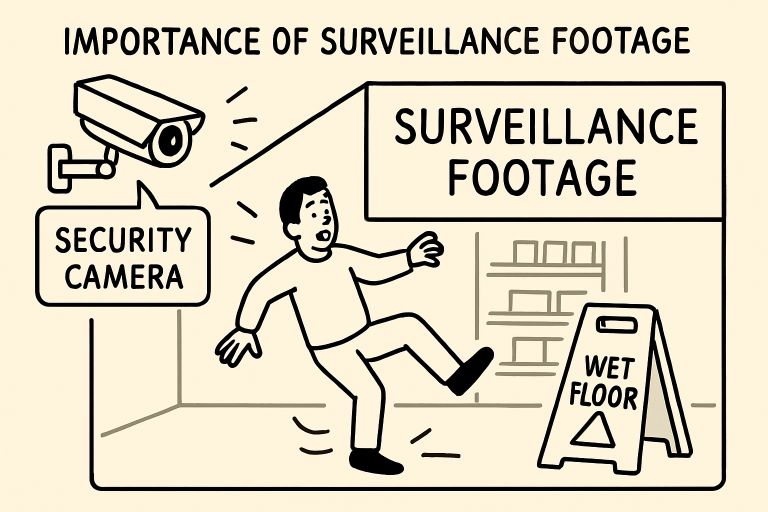
Video recordings act as impartial witnesses, giving a precisely documented account of the incident. While human testimony may be affected by stress or uncertainty, video removes the risk of misunderstanding or forgotten details. Footage can show hazardous conditions such as wet floors, icy walkways, or obstructions and, crucially, indicate how long these risks existed prior to your fall.
In court, this can directly support a claim of negligence, particularly if it shows the property owner’s staff ignored or failed to correct a visible danger. It may also provide essential details about the activity in the area, confirming your conduct and presence at the time of the accident.
Documenting Hazardous Conditions
The duration and type of the hazard are central aspects in slip-and-fall cases. Video surveillance can capture evidence of spills, uneven flooring, or other unaddressed obstacles that persist for an extended period. This visual documentation answers critical questions such as whether the hazard was temporary or persistent and if there were any warning signs or barriers in place.
In negligence cases, proving that the property owner knew, or should have known, about a hazard is key. Video makes this task possible by confirming timestamps and actions from employees or management, or a lack thereof. These elements are pivotal in establishing a breach of the duty of care.
Capturing the Incident and Aftermath
Often overlooked, the moments following a slip and fall can also make or break a claim. Surveillance footage may show whether property owners or staff responded appropriately, called for help, or took measures to address the cause of the accident. This immediate response (or lack thereof) can be crucial in determining whether reasonable care was provided after the incident occurred.
Additionally, the video could help disprove allegations that the injured party exaggerated their injury or behaved recklessly. Having a record of your behavior before and after the fall helps ensure your side of the story is accurately represented.
Obtaining and Preserving Video Evidence
Time is critical when seeking out video as surveillance systems often automatically delete or overwrite recordings, sometimes within days or weeks. If you suspect your accident was recorded, request preservation of the footage immediately. A formal written request, often called a preservation letter, should be sent to the property owner or business manager, outlining the need to retain all relevant videos from the incident date and time.
Navigating this process can be challenging, especially if the parties in control of the video are reluctant to share it. Having legal representation can expedite the request and ensure compliance with any applicable laws requiring preservation of evidence.
Challenges and Considerations
Despite the clear benefits, video evidence is not always perfect. Factors such as camera angles, image quality, lighting, and even obstructions can affect the usefulness of the footage. Sometimes cameras only record certain areas, or frames may be skipped, resulting in incomplete visual records.
Property owners might also hesitate to release video that could suggest liability, making it essential to act quickly and, if necessary, involve legal counsel to compel disclosure. Furthermore, interpreting footage context often requires an experienced eye to ensure the video is accurate and not misrepresented.
Conclusion
Clear, unbiased video evidence can be a turning point in slip-and-fall claims. By promptly securing and properly presenting this documentation, injured parties can protect their rights and hold negligent property owners accountable. Consult with a legal professional as early as possible to enhance your case and increase your chances of a fair resolution.