How Seasonal Weather Shapes Pest Activity Around Texas Homes
Key Takeaways
- Temperature, rainfall, humidity, and drought can change how pests move and where they gather.
- Warm, wet periods often increase activity from mosquitoes, ants, flies, and termites.
- Very hot or dry conditions can send pests toward shaded, watered, or climate-controlled spaces.
- Cooler weather may drive rodents and other shelter-seeking pests into garages, attics, and wall voids.
- Removing water, repairing leaks, sealing gaps, and reducing clutter can lower pest pressure year-round.
- Correct identification should come before selecting a treatment method.
Texas weather can change quickly, from spring downpours and humid Gulf Coast afternoons to dry Hill Country heat and North Texas cold snaps. Those shifts affect where pests find moisture, food, nesting sites, and shelter. Homeowners who want to protect a Texas property can start by watching how weather patterns change conditions around the home. Professional pest control services can also help identify seasonal risks specific to your area—find out more.
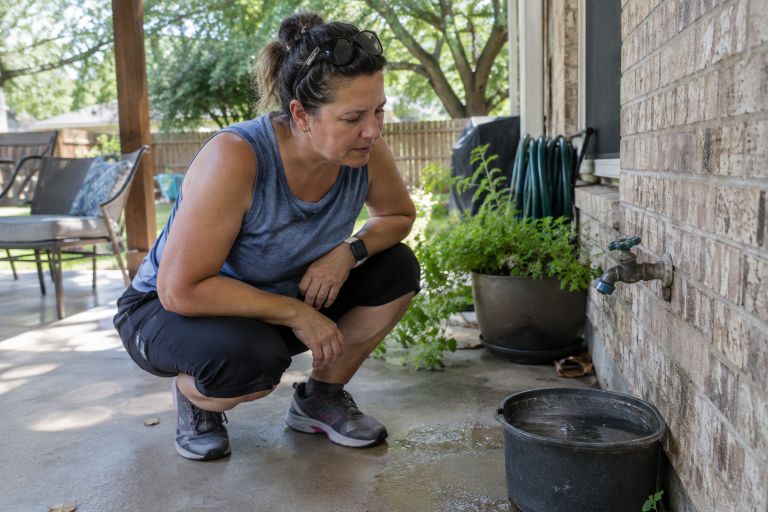
Weather does not create every pest issue, but it can change the timing and visibility of activity. A rainy week may fill containers that support mosquito breeding, while a long dry spell can make irrigated lawns, dripping faucets, and shaded patios more appealing to pests looking for water.
Why Weather Changes Pest Behavior
Most household pests respond to their surroundings. Warmer conditions can support insect development and increase movement, while rain can add moisture and temporary breeding areas. Humid spaces, including poorly ventilated bathrooms, crawl spaces, and garages with leaks, may be especially attractive to moisture-dependent pests. Mild Texas winters can also leave enough protected habitat for some pests to remain active rather than disappearing entirely.
Spring: Rain, Growth, and New Pest Activity
Spring storms and rising temperatures often bring renewed activity around yards, foundations, and outdoor structures. Ants may appear after rain disrupts their soil nests. Termite swarmers can emerge during suitable warm, humid conditions, and wasps begin building nests around eaves, sheds, and play equipment. Tall grass and brush can also make tick encounters more likely for people and pets.
Spring Tasks for Texas Homeowners
- Clean gutters and confirm downspouts direct water away from the foundation.
- Empty water from planters, toys, buckets, tarps, and other outdoor containers.
- Trim shrubs and tree limbs away from siding, rooflines, and exterior vents.
- Check door sweeps, screens, and weatherstripping for gaps.
- Look for mud tubes, discarded insect wings, trails, or moisture-damaged wood.
Summer: Heat, Humidity, and Outdoor Pests
Texas summers can create steady pest pressure near patios, lawns, gardens, pools, and air-conditioning equipment. Mosquitoes need water for development, so even small collections of water deserve attention. Fire ants may be noticeable in lawns and garden beds, while wasps can become a concern around roof edges and outdoor gathering areas. Roaches and spiders may turn up in damp, shaded, or undisturbed spaces.
Extreme heat can change movement patterns. Some insects retreat into cracks, wall voids, and shaded areas, while rodents may investigate homes if outdoor food or water is limited. Keep pet food sealed, address plumbing leaks, and inspect condensation lines near HVAC equipment. Exterior lights can also attract flying insects near entry doors, so make sure nearby screens and door seals are in good condition.
Fall: Cooling Temperatures and Indoor Movement
When evenings cool, pests that have been living outdoors may begin exploring protected indoor areas. Homeowners may notice crickets near lights, spiders around windows, roaches near warm plumbing, or signs of rodents in garages and pantries. Droppings, gnaw marks, shredded nesting material, and unusual sounds in walls should be taken seriously.
Seal openings around utility lines, foundation joints, vents, and doors. Store firewood away from exterior walls, keep leaf piles and mulch from touching the foundation, and inspect stored boxes before carrying them inside. These tasks reduce both hiding places and easy travel routes.
Winter: Shelter-Seeking Pests
Cold weather does not mean pest concerns stop. Heated buildings provide warmth, food, and water for mice, rats, cockroaches, and insects that shelter in wall voids, attics, or storage spaces. Check cabinets beneath sinks, in laundry rooms, garages, sheds, and rarely used furniture. Reducing clutter makes it easier to spot fresh activity before it becomes a larger issue.
How Storms, Drought, and Flooding Change Pest Patterns
Heavy rain can leave standing water behind and force ants toward drier ground. Flooding can disturb rodents and wildlife, while wet building materials may reveal drainage problems or leaks that need repair. During drought, pests may concentrate near sprinklers, birdbaths, pools, hoses, and dripping faucets. After any major weather event, inspect low spots, drains, gutters, exterior walls, and outdoor containers.
A Seasonal Home Pest Prevention Checklist
- Every week: Remove standing water, wipe up spills, and check food and pet-food storage.
- Every month: Inspect door seals, screens, vents, plumbing areas, and outdoor trash containers.
- After storms: Clear blocked drains and check for pooled water, leaks, and displaced mulch.
- Before summer: Trim vegetation, reduce yard clutter, and inspect shaded outdoor areas.
- Before winter: Seal potential entry points and inspect attic, garage, and storage areas.
Using Monitoring Before Treatment
Effective control starts with observation rather than a rushed product choice. A practical integrated pest management approach emphasizes monitoring, accurate identification, prevention, and targeted control when it is needed. Record where activity appears, what time of day it occurs, and whether food, water, or shelter is nearby.
Look for live pests, droppings, nests, wings, trails, damage, and entry points. Then correct contributing conditions first, such as a leak, an unsealed crack, a cluttered storage area, or a water-holding container. This helps avoid treating the wrong pest or overlooking the reason it keeps returning.
When to Seek Professional Help
Professional inspection may be appropriate when pests return after repeated prevention efforts, rodents are active in walls or ceilings, termite signs appear, or stinging insects nest near doors and play areas. It is also wise to seek help when the pest cannot be confidently identified or when a household member or pet could face a health risk. For outdoor breeding-site reduction, Texas residents can use practical backyard mosquito-control guidance to focus attention on water-holding areas and responsible management choices.
Final Thoughts
Texas weather may be unpredictable, but a steady home-maintenance routine is useful in every season. Keeping the property dry, sealed, clean, and well monitored can make it less inviting to pests. Small actions taken after rain, during heat, and before colder weather can prevent a manageable issue from becoming a more disruptive household problem.