How to Protect and Extend the Life of Your Hardwood Floors
Key Takeaways
- Regular cleaning and immediate spill management are essential to prevent scratches and stains.
- Maintaining indoor humidity levels between 40% and 60% helps prevent wood from expanding and contracting.
- Using protective measures such as rugs, furniture pads, and window treatments can help shield floors from damage.
- Periodic refinishing and resealing restore the floor’s appearance and provide additional protection.
Table of Contents
- Regular Cleaning Practices
- Immediate Spill Management
- Maintaining Optimal Humidity Levels
- Protective Measures
- Periodic Refinishing and Resealing
- Avoiding Harsh Cleaning Products
- Implementing a No-Shoes Policy
- Controlling Sunlight Exposure
Hardwood floors bring timeless beauty and value to any home, but maintaining their top condition requires proactive care. Whether you’re dealing with high-traffic areas or want to make your investment last, knowing the best protection methods is crucial. By implementing proper maintenance and cleaning habits, you can extend the life of your floors and keep them looking stunning. Homeowners who prioritize routine upkeep and understand options for hardwood floor refinishing enjoy floors that stand the test of time with fewer costly repairs.
Preventative measures, such as using the right cleaning products, managing environmental conditions, and addressing wear promptly, enable you to avoid common pitfalls that lead to fading, warping, or deep scratches. Investing a small amount of time and awareness regularly pays off in years of added durability. From cleaning strategies to specialized treatments, these steps will help maintain the elegance and structural integrity of your floors with minimal effort.
Regular Cleaning Practices
Keeping your hardwood floors free of dust and grit is the most basic, yet essential, maintenance rule. Fine particles act like abrasives, slowly wearing down the floor’s finish with every footstep. Employ a soft-bristle broom or a microfiber mop for daily sweeping, and use a vacuum with a floor-brush attachment to reach crevices at least once a week. Avoid vacuum cleaners with beater bars, as they can scratch the surface. For floors showing signs of wear or minor scratches, professional wood floor refinishing can restore their original luster and extend their lifespan. Not only does this routine keep your floors gleaming, but it also protects them from long-term surface damage and dulling.
Immediate Spill Management
Moisture is one of hardwood’s biggest adversaries. Even small spills can seep in and cause stains, warping, or swelling if not addressed quickly. The proper technique is to blot any spills immediately using a clean, dry cloth. For sticky or stubborn messes, a slightly damp cloth can be used—never use excessive water. Cleaning up spills right away minimizes the risk of moisture damage, especially in kitchens or entryways where incidents are more common. Prompt attention is significant for homes with kids or pets, where accidental spills are inevitable.
Maintaining Optimal Humidity Levels
Sudden changes in humidity can cause wood planks to expand or contract, leading to gaps, buckling, or warping. Indoor humidity levels should be monitored regularly and kept between 40% and 60% year-round for optimal results. During dry winter months, using a humidifier helps maintain moisture and prevents shrinkage. Conversely, a dehumidifier can be beneficial during humid summer months to prevent swelling or mold growth. These habits ensure that the structural integrity of your hardwood flooring is preserved, reducing the risk of costly repairs.
Protective Measures
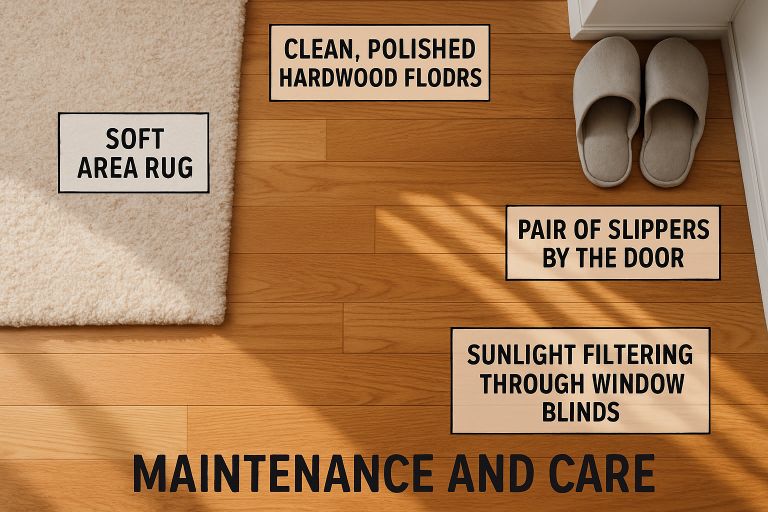
Protect high-traffic and vulnerable areas with rugs or runners, especially at entrances and hallways. Make sure rugs have a non-slip backing safe for hardwoods. Apply felt pads to the legs of all furniture to prevent scratches when moving items, and never drag heavy objects directly across the floor. Regularly trim your pets’ nails to minimize surface scratches further. These simple steps distribute weight and impact, dramatically reducing wear, tear, and dents.
Periodic Refinishing and Resealing
Even the most well-maintained hardwood floors will require occasional refinishing or resealing to restore their depth and shine. Most floors benefit from refinishing every 7–10 years, while heavily used areas may need more frequent attention. Professional refinishing provides an opportunity to address deeper scratches and restore the protective coating that shields wood from moisture and debris. Keeping up with resealing and refinishing ensures your hardwood investment always looks its best and lasts as long as possible.
Avoiding Harsh Cleaning Products
Many mainstream cleaning products contain chemicals that can degrade the finish of hardwood floors. Steer clear of anything containing ammonia, bleach, or strong solvents, as these can leave stains or strip protective coatings. Look specifically for cleaners formulated for hardwood surfaces. Mild, pH-neutral products are gentle yet effective, removing grime without damaging the wood’s appearance or structure. Following manufacturer-approved cleaning protocols will help avoid costly mistakes and preserve the natural beauty of your floors.
Implementing a No-Shoes Policy
Instituting a no-shoes policy indoors keeps abrasive dirt, sand, and grit from being tracked onto your hardwood floors. Encourage guests and family members to leave their shoes at the door and provide a convenient shoe storage area near your entrance. For more tips on creating a shoe-free home environment, see Better Homes & Gardens. This simple policy significantly reduces wear, lowering the risk of scratches and grime buildup. In areas with harsh weather or outdoor activities, this habit is especially effective in preventing long-term floor damage.
Controlling Sunlight Exposure
Prolonged exposure to UV rays can gradually fade stains and discolor hardwood surfaces. Install blinds, shades, or curtains to block direct sunlight during peak daylight hours. You can also use UV-protective window films to help shield flooring from harmful rays without darkening your space. Rotating rugs and periodically moving furniture ensures more even exposure and aging, minimizing the risk of patchy or uneven fading over time.
By systematically implementing these care methods, you’ll significantly increase the lifespan of your hardwood floors and preserve their elegance for generations. A combination of daily diligence, proper environmental control, and periodic professional maintenance ensures your investment continues to enhance your home’s appeal for many years to come.